What are the ways to improve the survival rate of piglets?
After birth, piglets have low immunity, and with the slightest carelessness they may easily die and struggle to survive. To ensure that all piglets born successfully survive well and to avoid losses, you need to pay attention to piglet health management, and you can also take some preventive measures before the sow gives birth. In short, the goal is to improve the survival rate of piglets and prevent premature death. To learn what to do, read on.
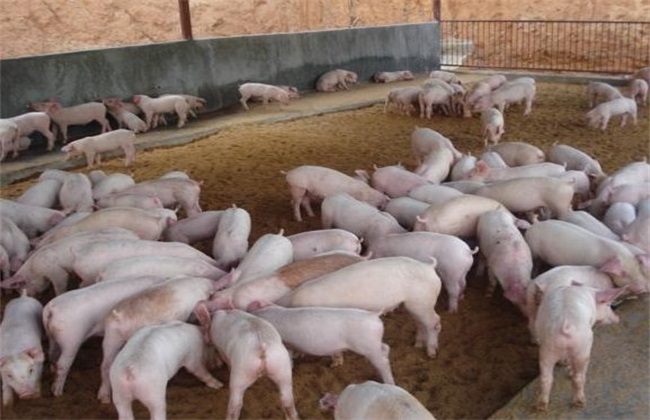
1. Sow nutrition
Before farrowing, the sow's nutritional supply must be adequate. About one month before farrowing, increase feeding, feeding some dried green grass plus concentrated feed, bone meal, and fish meal, and mix the feed yourself. Do not make it into pellets, as they are hard to digest; mix it directly and then feed it, as it is easier to absorb and use. Vaccines for some common diseases also need to be injected to avoid infection with these diseases after birth.
2. Keep warm and prevent dampness
The farrowing house temperature must be around 20 degrees, and the floor must be dry, not damp. Spread dry straw or similar dried grass as bedding, which can keep them warm and prevent direct contact with the floor, which can easily cause diarrhea after getting cold. A warming box can be prepared for the piglets to live in. An infrared lamp should also be prepared, mainly for warmth; the lamp should not be too close to the ground, more than 40 cm and around 50 cm. An electric heating plate inside the box can also be used for warmth.
3. Feed colostrum
After birth, piglets should first drink colostrum. Colostrum contains antibodies and immunity, and its nutrition is also relatively good. Soon after birth, piglets have weak digestive capacity and cannot be fed other foods; they can only drink colostrum. Piglets that drink colostrum are relatively healthy. In contrast, piglets fed artificial milk powder may not be as healthy. If there are too many piglets to feed, they can be given to other farrowing sows to nurse. Place the weak and small piglets at the front to feed, so as to keep growth balanced.
4. Supplement nutrition
Piglets are prone to lacking essential elements, such as iron; iron deficiency easily causes iron deficiency anemia. Each pig can be injected with 100 mg of iron, but this should be done three days after birth. This helps with weaning, and after weaning they may not lack iron. For those lacking selenium, inject 1 mg of 0.1% sodium selenite per pig; if the piglets are about two weeks old, 1 mg can be added per pig. One week after birth, in addition to colostrum, feed can be given, with the mixed feed placed out every morning and evening.
After birth, if piglets do not get sick, receive guaranteed nutrition, are fed colostrum, and have enhanced resistance, they should be able to survive. Attention must be paid to certain management tasks and to providing the necessary nutritional conditions.