When is the right time to transplant hibiscus saplings? A detailed guide to the best transplanting time
Hibiscus is a traditional and common flowering shrub in China, planted in front of and behind ordinary people's houses. The most convenient and common way to propagate hibiscus is by cuttings. Cuttings can generally be taken in spring, summer and autumn. Only the survival rate differs. After the saplings have been grown, you have to decide when to transplant them, and at this point you need to choose a suitable time. You also need to take the size of the saplings into account. Let's take a look now.
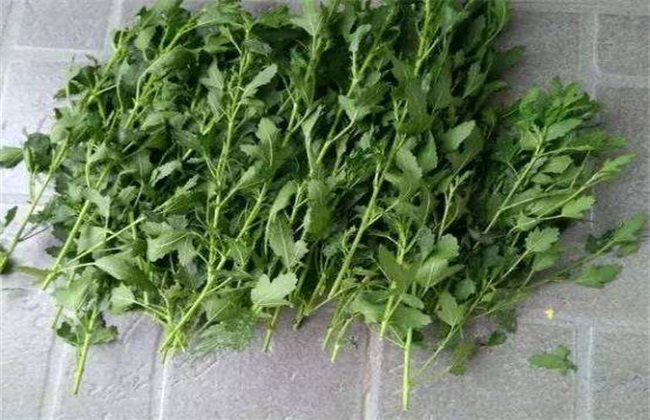
1. Transplanting time
If cuttings are taken in spring, the roots need about one to two months to develop fully, and the plant needs about four months or so to reach transplanting standard, which is roughly 60 cm. So it may be transplanted in autumn. If cuttings are taken in summer, they may be transplanted in autumn, or possibly not until the following spring. Winter is not suitable for transplanting; if cuttings are taken in autumn, they can only be transplanted the following spring. Spring transplanting is also when growth is at its best, and most are transplanted and established in spring.
2. Transplanting method
Transplant with as complete a root system as possible, transplant with the soil, and do not remove the soil from the roots. Keep it moist to maintain root vitality, and transplanting will easily succeed. The planting hole should be dug twice the size of the root ball, so there is enough room for growth. The planting distance should be appropriate, taking growth space and planting purpose into account; if you are planting it in a yard as a hedge, you can plant one every one meter apart, and once they grow they will become dense. Use fine soil for transplanting, and the planting depth should be about 40 cm or more, so it will not fall over later. Apply fertilizer at the bottom of the hole before planting; after planting, water thoroughly, then mound soil to retain moisture.
3. Fertilizer and water
After transplanting, keep observing the growth vigor and how well they have survived; topdressing and watering are needed. After fertilizing and watering at planting time, once they have survived, apply fertilizer and water again after one month, mainly nitrogen fertilizer or compound fertilizer; applying chemical fertilizer takes effect quickly and promotes plant growth. Before flowering begins, apply phosphorus and potassium fertilizer once; during the flowering period, remove summer weeds, then apply phosphorus and potassium fertilizer again. After the leaves fall in winter, apply a large amount of farmyard manure to keep warm and provide nutrients.
4. Plant adjustment
After flowering, over a year of growth, if the plant has not been adjusted, you will find that the branches are all messy, the tree shape is not attractive, and it is hard to manage. The branches must be pruned to cultivate the tree shape. First keep 5 main branches on the trunk; if there are extras, those growing well can be left unpruned, and the others cut off, then gradually prune the excess branches and dense branches above the branches level by level. Distribute the branches reasonably, and do not leave gaps. This makes it easy to shape directly. Mainly just keep an open-center shape.
The transplanting time for hibiscus saplings is generally spring, but it also depends on the specific situation. The transplanting method and management are also what friends growing hibiscus want to know about. I hope the above content can be a reference and help for everyone.