How to grow hydrangeas? Detailed guide to cultivation methods and precautions
Hydrangeas are a relatively common ornamental flowering plant in China, and they are also grown over a very large area in the country. Hydrangeas have very vivid colors and come in many varieties. They were already cultivated in China during the Ming and Qing dynasties, and their ornamental value is extremely high. So now market demand is also constantly expanding, so how should hydrangeas be grown? Below, the editor brings you the cultivation methods for hydrangeas. Let's take a look!
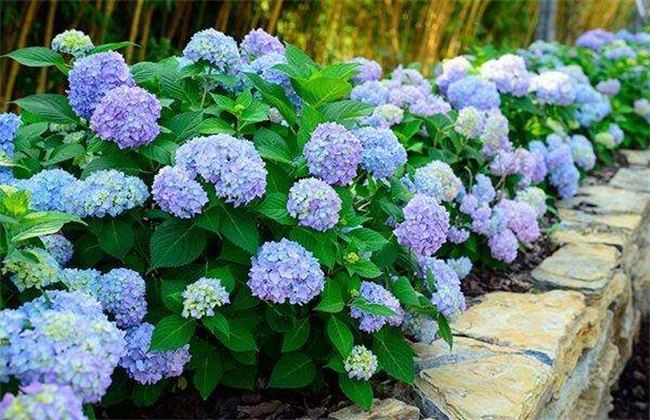
1. Soil selection
Under normal circumstances, hydrangeas do not have very high soil requirements, but the quality of the soil will affect the growth capacity of hydrangeas. If the soil quality is poor, then although hydrangeas can still grow normally, their ornamental value will also be affected and decline as a result. Hydrangeas like to grow in moist environments. So before planting, we should choose slightly acidic soil with good drainage and irrigation capacity and rich humus. High-quality soil can effectively enhance the growth capacity of hydrangeas. After choosing the soil, properly prepare the land, then apply an appropriate amount of organic fertilizer to improve the ornamental value.
2. Propagation methods
There are many propagation methods suitable for hydrangeas, such as layering, cuttings, and division. Among them, division propagation is the most commonly used. Division propagation can effectively increase the yield of hydrangeas, and the survival rate is also relatively high. When carrying out division propagation, first establish the propagation time well. Division propagation should be carried out in early spring when new buds sprout from the mother plant. Choose a robust mother plant, then select branches that have already rooted, directly peel them off, optionally apply an appropriate amount of rooting agent, and then plant them directly into the soil. Water appropriately, do a good job of shading, and after new buds sprout, normal care can begin.
3. Water and fertilizer management
Hydrangeas have a relatively large demand for nutrients. During the growth period of hydrangeas, topdressing is usually required about once every half month. Then the soil should be kept slightly acidic. An appropriate amount of ferrous sulfate can be added to the fertilizer solution, and watering with appropriate alum fertilizer water can increase the plant's amount of branches and leaves and quality. The leaves of hydrangeas are relatively thick and large, and they also need a large amount of water during the growth period. Therefore, except after winter, the soil should be kept moist in the other three seasons. Especially in summer, because water evaporates quickly, not only should enough water be given, but the leaves should also be appropriately sprayed with water.
4. Precautions
When planting hydrangeas, we should pay attention to doing a good job of care work and appropriately adjust methods according to seasonal changes. In spring, timely prune old and dead branches and appropriately apply one thin liquid fertilizer, mainly nitrogen fertilizer. Then in summer and autumn, because the sunlight is relatively strong, direct sunlight on the leaves should be avoided to prevent yellowing of the leaves. Then in winter, good warmth measures should be taken, especially for open-field cultivation, to help them overwinter safely. Controlling temperature and light well is the key to ensuring the healthy growth of hydrangeas.
The above is a brief introduction to hydrangea cultivation methods and precautions. The cultivation methods for hydrangeas are relatively simple. What matters is doing a good job of care work so as to ensure the healthy growth of hydrangeas. That is all for today's introduction. This article is for reference only, and I hope it can be helpful to everyone.