How many jin per mu is the yield of river snail farming?
River snails grow wild in most parts of China, and are also called Chinese round river snails (Cipangopaludina cathayensis). Nowadays river snails can be farmed artificially; artificial farming makes it easy for them to survive, and management is convenient. For artificial farming of river snails on one mu, roughly what the final yield will be may require some analysis, as farming management and the environment will also affect river snail yield. Below we take a practical look at river snail yield.
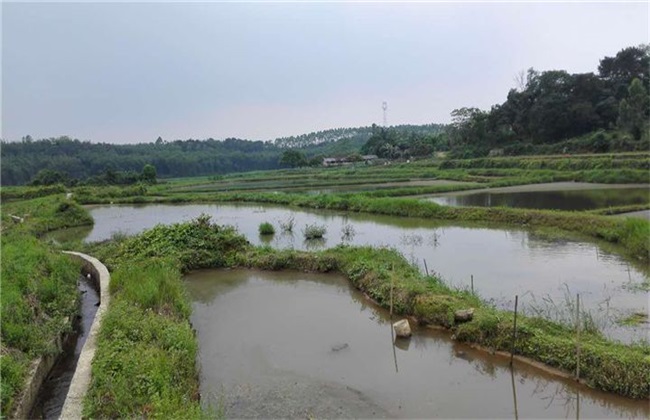
1. Yield per mu
For small river snail juveniles to grow into large river snails that can be sold takes roughly about 4 months. The grown river snails will then lay eggs, continue to reproduce and grow, and roughly three harvests of river snails can be made in a year. About four hundred river snails are stocked per square meter, and one hundred produce an annual yield of two hundred jin. With three harvests a year, after calculating for one mu of area, roughly about two thousand jin are harvested each time, and the total annual yield is about six thousand to seven thousand jin.
2. Egg-laying situation
There are two growing periods for birthing young, summer and autumn. Dozens of small young can be produced at one time, but after birthing once, an interval of more than a year is needed before they can birth again. If new snails are kept in between as breeding snails, the original breeding snails can be sold. The newborns show little weight gain after being farmed for a period of one month. During farming, more female snails should be kept as breeding snails at harvest.
3. Rearing process
When rearing in ponds, the pond bottom should have more than 10 cm of mud for the river snails to live in, and the water temperature should be kept at around 15°C to 28°C for farming. Duckweed is farmed on the water surface for shade. River snail breeding stock can be caught from the wild or purchased from other farms. Feeding is mainly grain feed such as soybean cake and the like, while animal feed is the internal organs of other livestock and poultry. There is no need to feed every day; roughly feeding once every few days is enough.
4. Catching
Mainly small river snails are caught; juvenile snails grown to about more than 10 months, weighing about more than 10 grams, are caught, and they should not be caught too early. If too early, the river snails do not weigh enough and have no selling value. Generally, river snails of the same size are caught together, and river snails born at different times can be caught in batches. Most of the grown river snails should be kept as breeding snails, and the breeding snails can be replaced at set times, so that reproduction and farming can continue to be maintained.
The annual yield of river snail farming per mu is fairly considerable, but as for profit it still depends on the specific price. The number of breeding snails and the number of young born, as well as how breeding snails are retained after growing out, will all affect yield. The farming and feeding process can directly affect yield.