Why Are Geranium Leaves Turning Yellow? Causes and Solutions
Geraniums are perennial herbaceous flowers with slightly woody stems and herbaceous branches and leaves. They bloom in a variety of colors with attractive flower shapes, which is why so many people love them. They are commonly grown in pots. The plants are relatively small and well suited to growing on windowsills, which is why they are so popular. After growing geraniums, many friends find that the leaves turn yellow very easily, and they don't know the cause or what to do. So let's answer these questions one by one.
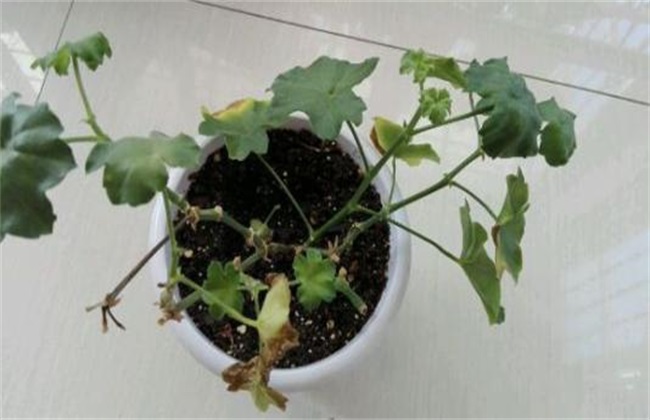
1. Low temperature
Old leaves at the base tend to turn yellow naturally and eventually fall off, which is normal. If the outdoor temperature is too low, leaf growth is affected, and the leaves may turn yellow and finally drop. So when growing them, keep the temperature above 10 degrees, and at night at least above 9 degrees, so the leaves won't turn yellow from cold damage. Keeping them indoors is the best way to stay warm.
2. High temperature
In extreme heat the leaves lose water and turn yellow, become scorched and dry up, and high temperatures often bring drought, so the roots cannot absorb water either. In severe cases, the whole plant dries up. The solution is to move it indoors for care when it's hot, preferably to a cool, well-ventilated spot. After yellowing occurs, supplementing iron can help relieve it.
2. Fertilizing
Sometimes too many rounds of topdressing and too much fertilizer make the soil concentration too high, which inhibits root absorption and damages the roots, showing up directly as yellow leaves; but going without fertilizer for a long time leaves the plant short of nutrients, and the leaves are the first to suffer. The best way to fertilize is on a schedule, once per stage, and you can't skip fertilizing entirely. Use a moderate amount, less in summer, and apply it after dissolving it in plenty of water.
3. Humidity
If during growing the conditions are hot and humid, with too much watering and excessive moisture, the roots rot and become infected, and the leaves grow poorly. Not enough water easily leads to drought and drying up, so just keep the watering amount adequate and don't water every day; water roughly once every 3 to 4 days, so there is no waterlogging. With no waterlogging, the roots won't rot.
4. Pests and diseases
When pests and diseases strike, some of them may cause leaves to turn yellow. Disease infection generally invades through the roots or spreads through the soil. Some insects may be carried in the soil, or may be drawn in from outside. The best approach is, after noticing disease, to change the soil promptly, wash the roots and containers with a medicinal solution, and use sterilized soil. When pests appear, catch them promptly, spray pesticide, and drench the roots with the solution.
Yellowing geranium leaves are generally caused by external factors, though of course there are also cases of internal nutrient deficiency. As long as the nutrients are sufficient and it is grown in a suitable environment, and you pay attention to seasonal changes and give proper protection, there won't be any major problems.