How long does the yellow catfish farming cycle generally take?
Yellow catfish, also called yellow bonefish, is a delicious freshwater fish. Wild resources are now very scarce, and it mainly depends on artificial farming. How long must yellow catfish be farmed to reach normal edible weight, and how long must the fry be raised before they grow and mature? Friends who farm yellow catfish should care about this question, as well as some management issues during the growth of yellow catfish. Today's article mainly introduces these related contents.
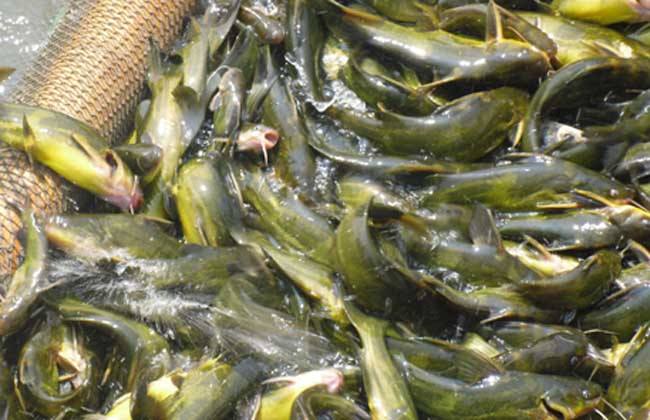
1. Farming cycle
Usually the entire farming period is about 12 to 13 months. Environmental temperature will affect the farming time; for example, warm areas may be 12 months, while colder places are about 13 months. Different farmed species take different times; for example, all-male yellow catfish can complete the growth period in about 10 to 11 months. What directly affects the growth rate of yellow catfish is the feed given. Fish fed feed with high protein grow faster, while those with low protein grow relatively slower.
2. Temperature
Generally, at temperatures below 11 degrees, they eat very little. The most suitable temperature for feeding is between 25 and 28 degrees, but they can normally feed at the common 15 degrees to more than 20 degrees. If they encounter high temperatures above 30 degrees, they eat very little and are affected to some extent, but usually they can survive in water temperatures from around zero degrees to 38 degrees without life danger. However, it is best to maintain a normal temperature, or normal water temperature; generally the outside temperature is different from that in the water.
3. Feeding
Wild yellow catfish often eat plants as food. During farming, in order to grow better and faster, some other fish can be farmed as food for yellow catfish, such as silver carp, providing some herbivorous fish as its food, because herbivorous fish grow quickly. Yellow catfish is a carnivorous-based omnivorous fish, and generally it can mainly be fed small fish and shrimp, which are also foods it likes to catch normally. When feeding, they can be chopped and mixed with wet flour and fed together.
4. Feeding method
The place for feeding feed should be fixed, and the feeding time intervals should be determined well; do not feed at random times. The feeding amount at each stage should be determined according to the size of the fish, and when reaching another stage, the amount of feed should be changed. The amount of feed fed each day is 5% of the fish's body weight. Generally, feed twice to three times a day; small fish are fed more times, and large fish are fed twice. The feeding amount in the afternoon should also be somewhat more than in the morning. Do not feed too much feed, as it easily pollutes the water environment; promptly salvage leftover food residue.
The farming time for yellow catfish is relatively long, and growth is slow in winter. To farm them so they grow faster, the main things are to maintain a suitable temperature, and to reasonably feed feed or choose a suitable feeding method, paying attention to feeding nutritious feed that can be absorbed and digested.