How to Grow Geraniums? Detailed Guide to Cultivation Methods and Precautions
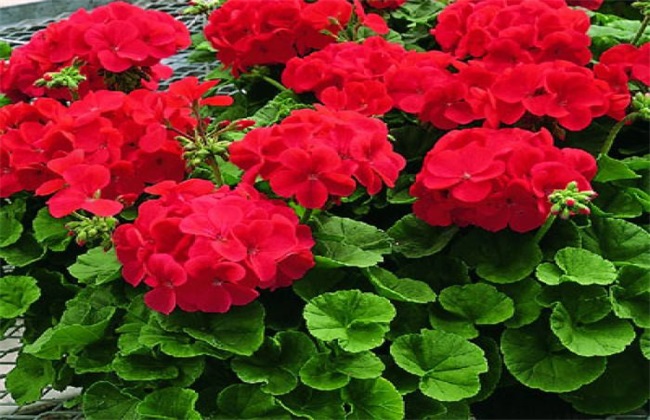
Geranium, also known as zonal geranium and fish geranium, is a plant belonging to the Geraniaceae family and is cultivated in various parts of China. Geranium has relatively high ornamental value and also offers various benefits such as stopping bleeding, detoxifying, and promoting urination. It can also affect people's adrenal cortex and effectively relieve stress. Therefore, its economic value is very high. So how do you grow geraniums? Let's take a look below!
1. Propagation Methods
Geranium propagation is mainly done through cuttings. Except for June to July each year when geraniums enter their dormant period, cuttings can be taken at any other time. However, spring and autumn are the main seasons for taking cuttings, because in summer the high temperatures make cuttings prone to blackening. Select cuttings about 10 cm long, preferably from the top of the branches. After cutting, let the cut surface dry for a period of time, and once a film forms over the cut, insert it into a sand bed. Be careful not to damage the stem bark, otherwise the rooting rate will decrease and rot will easily occur. After cutting, place it in a semi-shaded area and maintain the temperature at around 15°C. Roots will form about 3 weeks after cutting.
2. Temperature Control
Geraniums have relatively high temperature requirements during growth. When planting, the temperature should be controlled at around 15°C, so spring and autumn are the best planting times. The temperatures of winter and summer are both very unfavorable for geranium growth. Therefore, in summer we should do a good job of cooling, avoiding direct sunlight and providing appropriate shade. Similarly, in winter, cold protection and insulation measures should be taken, and the room temperature should be kept above 0°C. If it falls below 0°C, geraniums will suffer frost damage, preventing them from overwintering normally and affecting yield.
3. Water and Fertilizer Management
Although geraniums like water, they are not tolerant of waterlogging, so be careful not to overwater. If geraniums are overwatered, root rot will occur. Especially in the hot and stuffy environment of summer, overwatering can very easily cause damage. When watering geraniums, the frequency should be controlled to once every 3-4 days, and each watering should be thorough. Then pay attention to controlling the amount of fertilizer; the amount of fertilizer should not be too much either. If too much fertilizer is applied, geraniums will become dehydrated. This is especially true for nitrogen fertilizer; excessive nitrogen application will cause the plant to grow leggy very easily, with an extremely low flowering rate or even no flowers at all.
4. Precautions
When planting geraniums, pay attention to soil selection. Geraniums are suitable for growing in sandy soil. If the soil is too heavy and clay-like, its permeability will be poor, which has a very big impact on geranium growth. Although geraniums should not be exposed to the scorching sun, they still need plenty of sunlight during growth. Sufficient light can effectively increase the flowering rate of geraniums. During high temperatures, avoid direct sunlight. Therefore, in spring and autumn, let them get more sunlight appropriately.
The above is a brief introduction to geranium cultivation methods and precautions. Geranium cultivation is not difficult, but it requires careful management to ensure normal growth. That's all for today's introduction. This article is for reference only, and we hope it can be helpful to everyone.