Solutions for reduced feed intake in cattle during summer
After entering August, the temperature rises higher day by day. For cattle farmers, the biggest worry in summer is that the cattle's feed intake decreases day by day, which slows their growth rate and lengthens the time until they are ready for market, undoubtedly causing economic losses. So how should reduced feed intake in cattle during summer be addressed? Let's take a look.
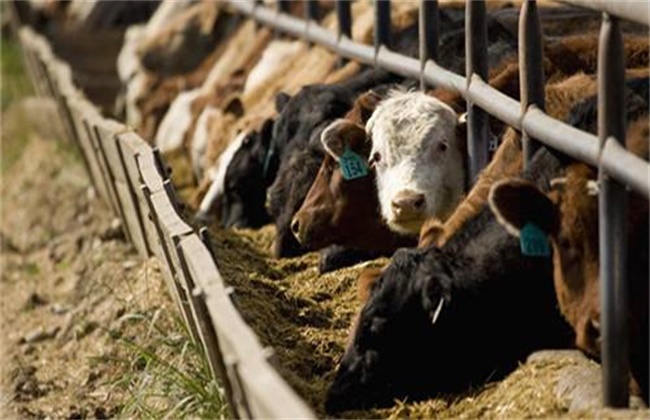
1. Cooling the cattle shed
During periods of high summer heat, the temperature inside the cattle shed is generally higher than outside. If the temperature exceeds 32 degrees, it will affect the normal feeding and resting of the herd, so cooling work in the cattle shed must be done well. There are many methods for cooling the cattle shed, generally reducing stocking density, installing shade nets, using cooling equipment such as fans and water curtains, or strengthening ventilation; all of these can lower the temperature in the cattle shed and can be chosen according to actual conditions.
2. Cooling the cattle's body
If cooling of the cattle shed is not ideal, the cattle's body heat dissipation will be poor and their body temperature will rise. If this is not dealt with promptly, it can very easily cause heatstroke in cattle. Therefore, at the peak heat of noon, the cattle's bodies can be misted or sprayed with water to achieve a body-cooling and heat-dissipating effect. To avoid heat stress reactions in cattle, it is best not to use cold water; room-temperature water is preferable. In addition, for pregnant cattle, young calves, and sick cattle, misting is best for cooling, and direct water spraying for cooling should be prohibited.
3. Mosquito and fly control
In summer, mosquitoes and flies in the cattle shed are numerous, and they can also have a great impact on cattle feeding, so mosquito and fly control must be done well. It is recommended to clean the cattle shed regularly, remove cattle excrement promptly and thoroughly, and reduce mosquito and fly breeding. In addition, use spraying, mosquito coils, mosquito-killing lamps, and other methods to eliminate mosquitoes and flies.
4. Adjust feeding
The palatability of feed is closely related to cattle feed intake. In summer, the feed formula should be appropriately adjusted, reducing the amount of dry feed and increasing the amount of green fodder. At the same time, wet feed can also be used to improve feed palatability. Feeding times should also be adjusted, avoiding feeding during high-temperature periods as much as possible and shifting feeding to before 5 a.m. and after 7 p.m. During these time periods the climate is cool and the cattle's appetite is better.
The above is an introduction to how to solve reduced feed intake in cattle during summer. We hope it can help you. To learn more related knowledge, please keep following us.