How to Grow Asparagus Fern? Detailed Guide to Cultivation Methods and Precautions
Asparagus fern is a plant in the Asparagaceae family, widely distributed in central and northwestern China. It is a very popular ornamental plant with extremely high ornamental value, loved by many people. Moreover, asparagus fern is also a traditional Chinese medicinal herb; the entire plant can be used as medicine and has the effect of moistening the lungs and relieving cough. So how should asparagus fern be cultivated? What precautions should be taken? Below, the editor will give you a brief introduction. Let's take a look!
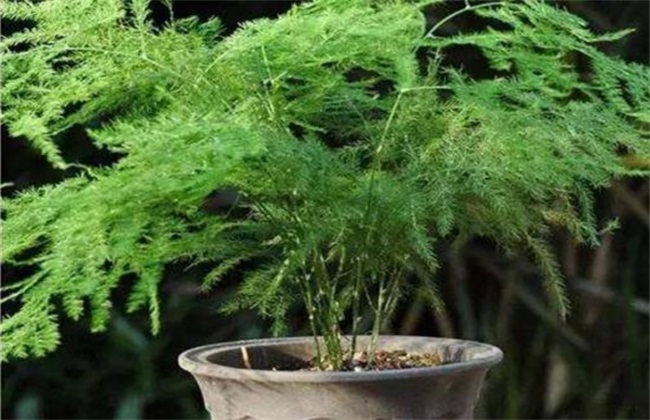
1. Soil Selection
When cultivating asparagus fern, soil selection is very important. Although the area of wild asparagus fern distribution in China is relatively large, when planting artificially, if you want to ensure the ornamental value and propagation rate of asparagus fern, then soil is the key factor. The soil should mainly be sandy soil that is soft, rich in nutrients, and highly permeable. If growing in pots, then when mixing your own nutrient soil, it should mainly consist of garden soil, leaf mold, compost soil, and sandy soil. Before planting, it must be disinfected before being potted for care.
2. Propagation Methods
The propagation methods of asparagus fern are mainly seed propagation and division propagation. The seedling emergence rate of seed propagation for asparagus fern is very high, generally carried out in spring each year. Before sowing, rub off the seed coat of the asparagus fern, then wash and dry them before sowing. Under normal circumstances, about one month after sowing, seedlings will emerge and sprout. Division propagation should also be carried out in spring. Remove asparagus fern that has grown for more than three years from the flower pot, then divide the clustered stems and roots into about 3 clumps, with each clump retaining about 4 buds, then pot them and the division is successful.
3. Water and Fertilizer Management
Although asparagus fern does not have a great demand for fertilizer, fertilizer is still indispensable during its growth. When fertilizing, the principle of applying more frequently in small amounts should be followed, and attention should be paid to fertilizer concentration, which should not be too strong, otherwise it can easily cause yellowing of branches and leaves. During the peak growth period of asparagus fern in spring and summer, fertilization should mainly be nitrogen fertilizer, with an appropriate supplementary application once a month. After the shape is set, the amount of fertilization should be reduced to avoid excessive growth and reduce ornamental value. Asparagus fern likes to grow in a humid environment, but watering should not be excessive. Too much water can easily cause root rot, so while meeting the water needs of asparagus fern, attention should also be paid to controlling the amount of watering.
4. Precautions
When planting asparagus fern, we should pay attention to controlling the temperature well, as asparagus fern generally likes to grow in a warm environment. Its suitable growth temperature should be controlled at around 25 degrees. In summer, the temperature should not exceed 32 degrees, otherwise the asparagus fern will stop growing. In winter, the temperature should also be maintained above 10 degrees, as too low a temperature will cause frost damage to the asparagus fern. Asparagus fern does not have a great demand for light during growth and likes to grow in a semi-shaded environment. Therefore, avoid direct sunlight on asparagus fern, especially in summer. During the growth period of asparagus fern, providing an appropriate amount of scattered light is sufficient.
The above is a brief introduction to the cultivation methods and precautions for asparagus fern. Cultivating asparagus fern is actually relatively simple, but you also need to pay attention to some precautions to ensure better growth. That's all for today's introduction. This article is for reference only, and I hope it can help everyone!