Why Are the Leaves of the Lucky Bamboo Plant Turning Yellow? Plus Solutions
Lucky bamboo (Rohdea japonica) gets its name because its leaves stay green all year round, but some growers find that its leaves turn yellow. What is going on here? Let's take a look together.
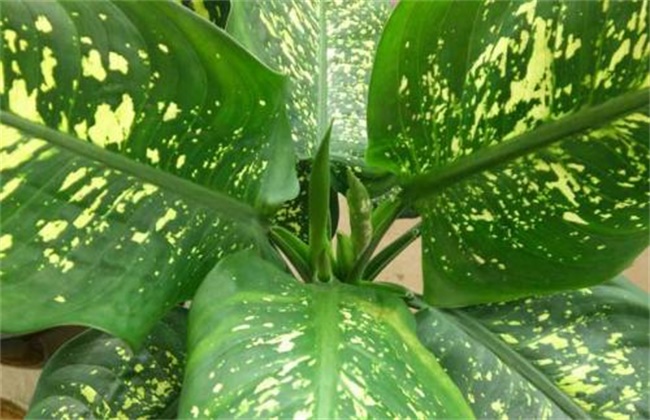
1. Temperature and light that are too strong
Temperatures that are too high or light that is too strong will both cause stress to lucky bamboo. Lucky bamboo is native to tropical regions and likes a hot, humid environment, with an ideal growing temperature of 20-28°C. In summer, once the temperature exceeds 30°C, its normal growth will be affected; if the temperature rises even higher, yellow leaves may appear, and leaf drop may even occur. In addition, in northern regions the light is stronger and the air is dry, which also very easily causes the leaf edges to scorch and turn yellow. So in summer, pay attention to changes in the ambient temperature, and you can place it indoors to avoid direct strong light.
2. Insufficient water
Lucky bamboo likes a hot, humid environment, and is fairly tolerant of moisture. In summer, with high temperatures, the plant and soil lose a lot of water through evaporation. If you fail to water it, or if it is not watered thoroughly for a long time, yellow leaves, and even leaf drop, will occur. Therefore, water management must be done properly, following the principle of "do not water if not dry, and water thoroughly when you do," watering in combination with loosening the soil, and at the same time frequently misting the leaves to increase air humidity.
3. Improper fertilisation
Too much fertiliser or fertiliser that is too concentrated will also seriously affect the growth and development of lucky bamboo, resulting in little growth. You only need to apply a phosphorus-potassium fertiliser 1-2 times a month during the vigorous growth periods of spring and autumn. During the low temperatures of winter and the high temperatures of summer, its growth basically stops, so fertilisation should be stopped immediately, to avoid the fertiliser not being absorbed by the roots and causing root rot.
4. Pests and diseases
Leaf spot disease caused by infection with fungi and other pathogens can also lead to localised death of leaf tissue, producing yellow spots or patches, and in severe cases causing the whole plant to wither and turn yellow and drop leaves; when affected by mosaic virus, the leaves also show mottled patches of yellow and green; when attacked by pests such as scale insects and red spider mites, localised yellowing of the leaves also occurs. In addition, when preventing and controlling pests and diseases, be sure to pay attention to the concentration of the pesticide, so that an overly high concentration does not cause phytotoxicity, which can also lead to yellowing and leaf drop.
The above is an introduction to the causes of yellowing leaves in lucky bamboo and how to fix them. We hope it helps you. For more related knowledge, please stay tuned to us.