How to Grow Alocasia macrorrhizos? Detailed Guide to Cultivation Methods and Precautions
Alocasia macrorrhizos, also known as giant taro and Guangdong poison, has a graceful plant shape and bright green leaves. It is shade-tolerant and relatively low-maintenance, making it an excellent foliage plant. It is very suitable for arranging indoor gardens, large halls and conference venues, and can also decorate a family living room or study. So how should Alocasia macrorrhizos be grown? Let's find out together.
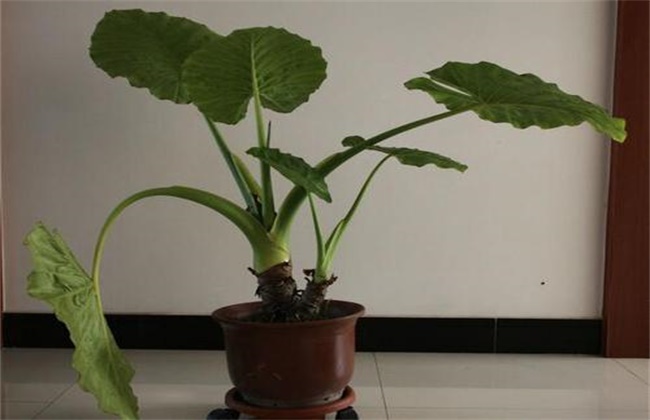
1. Growing environment requirements
Alocasia macrorrhizos is relatively low-maintenance, and its cultivation and care are also fairly simple. Loose sandy soil helps the tubers expand, and it can also grow well in ordinary garden soil and potting soil. Alocasia macrorrhizos likes a warm environment and grows well at temperatures of 20-30 degrees. For overwintering, it is best to keep the temperature above 5 degrees. Once the temperature drops below 5 degrees, although it will not die, its leaves will lose their green color and turn yellow. It can grow very well in a bright place without direct sunlight, especially during the hot summer season, but in winter it does no harm to let it receive some direct light, which can also promote its growth. In a well-ventilated environment, the leaves of Alocasia macrorrhizos tend to be relatively smaller, so it is best to place it in an environment with poor air circulation.
2. Watering method
Alocasia macrorrhizos is generally grown in potting soil with good water retention, drainage and air permeability. It is best to repot and change the soil once every Spring Festival. In summer, shade work should be done well, watering should be sufficient, and the potting soil is best kept alternately dry and moist. If water accumulates, it will cause the stem to rot. During the spring and autumn growing seasons, water frequently to keep the potting soil moist. In winter, watering should be controlled, and the potting soil is better kept on the dry side. The soil should not be too wet, so as to avoid root rot. In the growing season, in addition to supplying sufficient water and keeping the soil moist, water mist should also be sprayed frequently to increase air humidity and clean the leaves.
3. Fertilization method
Alocasia macrorrhizos is low-maintenance. Spring and autumn are its growing seasons, and a liquid fertilizer mainly based on nitrogen and potassium should be applied monthly, with a fertilizer water concentration of about 15%-20%. This can make the plant grow luxuriantly. After the beginning of winter, the plant should be moved indoors in time to a sunny or semi-shaded place, and the suitable temperature should be kept above 5 degrees. Fertilization should stop in winter. When repotting, a few pieces of horseshoe leaves can be placed at the bottom of the pot as base fertilizer. During the vigorous growing season, a thin liquid fertilizer should be applied once every half a month, and it is best to use a fertilizer containing more nitrogen.
4. Precautions
Alocasia macrorrhizos has a certain shade tolerance, but in order to keep the leaves oily green, it is best to place it in a shaded spot on a balcony or in a courtyard in spring and autumn, and move it to a well-ventilated place in summer, avoiding direct sunlight. Its suitable growing temperature is 20-25 degrees, and keeping it above 8 degrees in winter is enough for it to overwinter safely. Too low a temperature will cause cold damage. The sap of Alocasia macrorrhizos is toxic, which is also the origin of its name Guangdong poison. When planting, it must not be eaten by mistake or get into the eyes; in severe cases, it can be life-threatening.
The above is an introduction to the cultivation methods and precautions for Alocasia macrorrhizos. We hope it can help you. If you want to learn more related knowledge, please stay tuned to us.