How to grow crabapple flowers? Detailed guide to cultivation methods and precautions
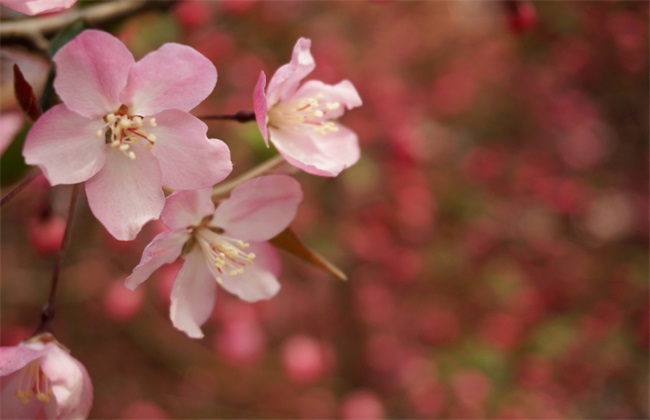
The crabapple flower is a flowering plant in the Rosaceae family and enjoys the reputation of "national beauty" in our country. It is also a flower unique to our country, and although it is mostly found growing wild, there is now a certain area of cultivated planting as well. The crabapple flower not only has high ornamental value, but its fruit can also be used as medicine and can be eaten fresh or processed, making it very popular with many people. So today, the editor brings you the cultivation methods for crabapple flowers. Let's take a look!
1. Propagation methods
There are many propagation methods for crabapple flowers. If grafting, use Siberian crabapple, crabapple fruit, and Manchurian crabapple as the rootstock for grafting crabapple flowers. Around August each year, methods such as branch grafting and bud grafting can be used. If sowing, then autumn sowing or spring sowing is mainly used. If sowing in spring, the seeds must first undergo 1-3 months of low-temperature treatment and be sprouted before sowing. In spring, layering and root cuttings can also be carried out. After planting, ensure the soil is moist and fertile. Properly prune once each year to improve air permeability, and do a good job in fertilizer and water management, so as to achieve the goal of lush branches and leaves.
2. Transplanting and planting
When transplanting crabapple flowers, if they are large seedlings, transplant them mainly with soil, and if they are small seedlings, it depends on the actual situation. After planting, strengthen the management of the seedlings, keeping the soil loose and fertile. In autumn and winter each year, the soil can be appropriately replaced. Then after the leaves fall, cut off dead branches, weak branches, and diseased and pest-infested branches. Improve the openness of the crown and promote ventilation and light penetration. To ensure the flowering rate and flower quality of crabapple flowers, promptly cut back leggy branches to prevent excessive nutrient consumption.
3. Fertilizer and water management
Crabapple flowers have relatively strong drought tolerance. When planting, avoid water accumulation and just keep the soil moist. However, the soil should not be too short of water either. If it is too short of water, the roots cannot breathe, and scorching is likely to occur, and in severe cases it can even cause the plant to die from lack of water. Regulate the watering time according to seasonal changes. In spring, water generally about once every 4 days, in summer once every 2 days, and in autumn and winter once every 1-2 weeks. We should fertilize reasonably according to the growth of crabapple flowers. When the crabapple leaves fall in autumn, apply more phosphorus and potassium fertilizer, and do not apply excessive nitrogen fertilizer, to avoid leggy growth and the triggering of pests and diseases. Then each spring, apply an appropriate amount of decomposed farmyard manure, and appropriately increase the amount of fertilizer during the peak growth period.
4. Precautions
Most crabapple flowers are sun-loving plants that like strong light, and their shade tolerance is relatively poor. If there is insufficient light during growth, it will cause leggy growth in crabapple flowers, the leaf color will become dull and lusterless and gradually turn yellow, reducing ornamental value and also making them susceptible to pests and diseases. Then reasonably adjust the temperature according to the growth stage of crabapple flowers to meet their temperature needs. The temperature should not be too high, and in summer, do a good job of shading and cooling. However, in winter, also pay attention to keeping warm. If the temperature is too low, frost damage is likely to occur and affect overwintering.
The above is a brief introduction to the cultivation methods for crabapple flowers. In cultivating crabapple flowers, management work must be done well, especially in aspects such as temperature, water, and fertilizer, to ensure normal growth of crabapple flowers. That is all for today's introduction. This article is for reference only, and I hope it can help everyone!