Detailed Explanation of Tenebrio Molitor Breeding Technology and Management Key Points
What kind of insect is the yellow mealworm, what is it good for, why breed yellow mealworms, and is breeding yellow mealworms profitable? People who have not bred them will certainly have such questions. In fact, the yellow mealworm is also called the bread worm, mainly famous for containing large amounts of protein and trace elements. Yellow mealworms are edible and have many uses. They were introduced to our country many years ago, and the breeding experience is rich. The breeding technology is fairly comprehensive and can be learned.
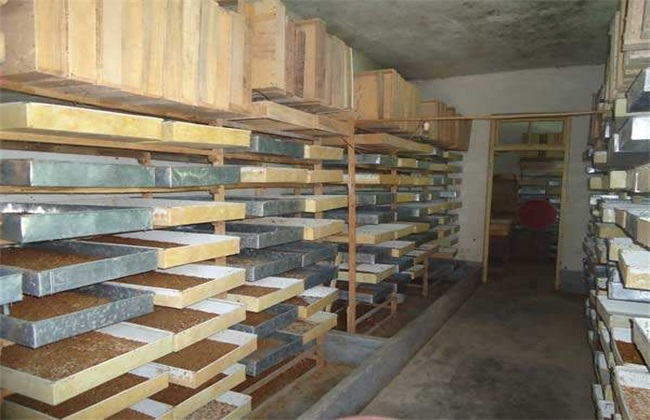
1. Temperature
Yellow mealworms are relatively cold-tolerant, especially the larvae, which can generally survive at minus ten-odd degrees, but they will mostly enter a dormant state. If you do not want them to be dormant when breeding in winter, you need to raise the temperature, generally to above 20 degrees; the most suitable breeding temperature is around 12 to 25 degrees. They cannot tolerate too high a temperature. In summer, be careful not to let it exceed 35 degrees; they can still grow at around 32 degrees, but above that they will stop growing.
2. Moisture
Breeding requires maintaining a certain air humidity. Generally, the humidity should be somewhat high and not too low; moist air is required, around 75%. In summer, the required humidity is somewhat lower to prevent disease. In winter, dry winter areas need increased humidity, which is good for growth. In spring, when it is rainy, lower the humidity; when it is dry, replenish it. In autumn, when it is windy, humidity can be replenished.
3. Light
Growth requires a low-light environment. They cannot be exposed directly to full sunlight and cannot be directly irradiated by sunlight. Do not use lamps. They live better under dark lighting. They need a relatively dark place that does not face the sun. A little scattered light can pass through. It is best to have a cool room.
4. Feeding
You can feed bread crumbs, corn grits, rice grits, soybean cake and similar processed grain products. The food does not need to be too particular; ordinary vegetables can all be used for feeding, such as cabbage and radish. As for feeding, it does not need to be done every day; generally feeding once every few days is best. Feed fresh, clean feed, and feed an amount equal to twice the weight of the insects in one box each time.
5. Precautions
Be careful not to feed spoiled or moldy feed, as this easily causes disease. Also pay attention to dry-withering disease and other diseases. Larvae, adults, eggs and pupae must all be kept separately and not be gnawed on by larvae. Yellow mealworms are relatively afraid of high temperatures, so cooling and water supply are needed. But yellow mealworms can go a long time before drinking water, and they also get moisture from food. Yellow mealworms are afraid of light and must be kept away from light.
When breeding yellow mealworms, attention should be paid to providing some growth conditions that must be met for their growth, but some conditions will change, so attention should be paid to adjusting and controlling them at any time. This can ensure good growth.