How to Grow a Rubber Plant? Detailed Guide to Cultivation Methods and Precautions
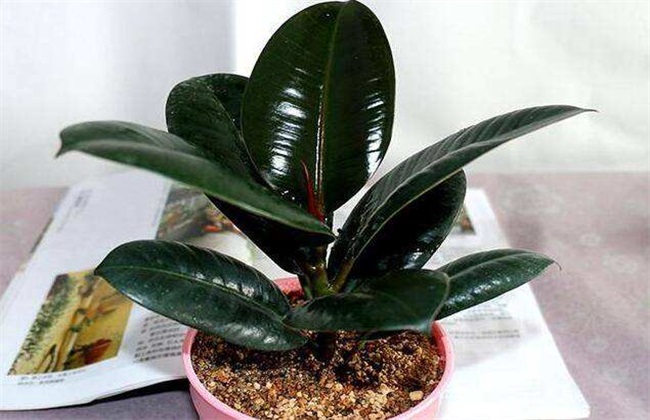
The rubber plant, also known as the Indian rubber tree (Ficus elastica), is a tree species that now mostly exists as a potted plant in our country. The rubber plant currently has a very large cultivation area in our country, and its ornamental value is extremely high. Moreover, the rubber plant also produces hard rubber, which has certain economic value. So how should the rubber plant be cultivated? And what precautions should be taken? Below, the editor brings you the cultivation methods and precautions for the rubber plant. Let's take a look together!
1. Preparation Before Planting
The rubber plant generally grows in warm and humid environments, has low requirements for light, and can withstand a minimum temperature of 5°C. Therefore, before planting, we should choose a good cultivation environment to ensure it is suitable for the growth of the rubber plant. Then we should prepare the soil. Because the rubber plant likes water, the soil must have good drainage and irrigation capacity, sufficient fertility, and strong water and fertilizer retention capacity. If you mix your own potting soil, then it should mainly consist of leaf mold, river sand, and garden soil, with cake fertilizer as the base fertilizer. The base fertilizer must not be excessive to avoid fertilizer damage.
2. Water and Fertilizer Management
The rubber plant likes water, but its waterlogging tolerance is very poor, and it is also not drought-tolerant. During cultivation, care should be taken to keep the soil moist and to frequently water the leaves to increase the surrounding air humidity. After entering summer, temperatures rise and water evaporates quickly, so the amount of watering should also be appropriately increased. On the contrary, in winter, watering should be well controlled, but the soil should not be too wet either, to avoid leaf drop. When fertilizing, do not fruit with nitrogen fertilizer, to avoid excessive vegetative growth of the rubber plant, which widens the spacing between leaves and reduces ornamental value. Young plants only need one topdressing about every 3 weeks, mainly with compound fertilizer, and then one mixed fertilizer topdressing every two months, to avoid growing too tall.
3. Reasonable Pruning
Under normal growth, the rubber plant has a relatively tall plant shape, so to ensure its ornamental value, when the plant grows to about 60 cm tall, pinch off the top at the 40 cm position. This promotes the growth of new branches, encourages the formation of about 4 side branches, and suppresses the height of the plant. In addition, during cultivation, we should also shorten the side branches every year, generally in spring each year, to encourage more new branches to sprout. If it is allowed to grow without pruning, then the crown will be hollow, the branches and leaves will not be dense, and the ornamental value will be very low.
4. Precautions
Although the rubber plant has strong shade tolerance, if you want it to grow vigorously, then you still need to pay attention to providing it with sufficient light. However, it should not be exposed to direct sunlight for too long, so shade measures should also be taken. When providing light, in order to prevent the temperature from being too high, ventilation and cooling work should also be done well. Then, attention should be paid to controlling the temperature well, as the rubber plant's cold tolerance is not strong. Although it can withstand a 5°C environment, when the temperature is below 10°C, insulation should be carried out in time to prevent cold damage.
The above is a brief introduction to the cultivation methods and precautions for the rubber plant. Cultivating the rubber plant is actually not difficult; the main thing is to pay attention to issues such as temperature, light, water, and fertilizer. That's all for today's introduction. This article is for reference only, and I hope it can help everyone!