What is the most suitable season to plant Boston ivy?
Boston ivy is a common climbing greening plant with fairly high ornamental value and vigorous growth, and it is distributed throughout the country. It is planted and applied to meet the needs of urban greening. When to plant Boston ivy, and the specific planting time. How to plant it, what are the details of planting management, and how to manage it. What are all the problems that arise in planting and care? Let us look at these questions together below.
1. Planting season
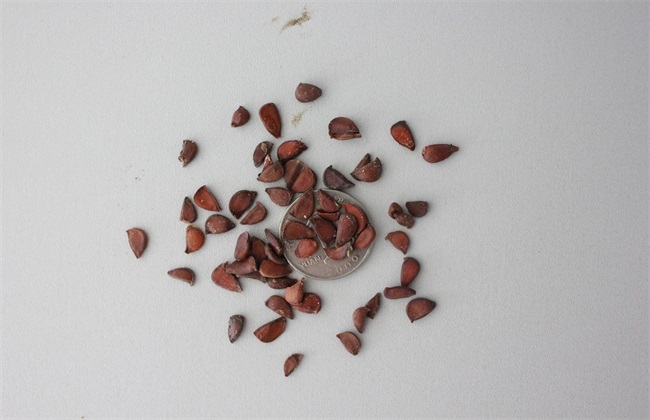
Boston ivy is very easy to propagate by cuttings; take cuttings directly and they root and become seedlings, which is very convenient. Most cuttings are taken in spring, autumn, and summer. In spring and autumn, the temperature is suitable and cuttings root very well; in summer, rooting is fast, but you must pay attention to high temperatures and must regulate the temperature. At present, there is also seed sowing, and seeds must be collected from the end of September to October. In winter, stratify them in sand, and sow in spring, but some warm regions can also sow in winter.
2. Seedling stage
The seed coat is not thick, and the seeds germinate fairly easily. If raised by hydroponics, they may germinate faster, and they can also be raised in a soil seedbed. Raising seedlings in containers with nutrient soil or by hydroponics has a lower possibility of disease than soil. It is just that they must go through an adaptation period when transferred to soil planting, so it is best to choose nutrient soil for raising seedlings. For sowing, after the seeds emerge, they can be transplanted once they grow to about 20 cm, and the earlier they are transplanted, the easier it is for them to adapt.
3. Cuttage seedlings
Take green branches of the current year for cuttings; they root easily, but for hydroponics it is best to choose ones with woody parts, as they do not rot easily. Make a sand bed, then take branches about ten cm long, keep them moist for cuttings, and once the number of roots is large, they can be transplanted. During this period, it is just normal fertilizing and watering, with no waterlogging and no drought, and avoiding high temperatures.
4. Recovery period
After transplanting, they must be cared for for a period of time to ensure the roots grow downward, can normally absorb water and nutrients, and the damaged root system is repaired. Once the aboveground plants begin to grow, normal management can begin. Some need shading to reduce transpiration, and watering several times, but without waterlogging. Apply dilute fertilizer water once every other week. It takes about one to two months.
5. Growth period
After recovering their growth vigor, Boston ivy will begin to grow a large amount of branches and leaves, and in summer it begins to sprout new branches and can quickly cover a wall. If you want it to cover more, you can apply some nitrogen fertilizer; if you want to control growth, you can skip fertilizing, and you can also prune frequently. Spray some growth-regulating agents.
Boston ivy is mainly planted in spring, and autumn is also fine; in winter it depends on the situation. To plant Boston ivy, you must choose a suitable method. Pay attention to controlling the growth rate, and do not just let it grow unchecked. You can also prune and adjust it yourself.