How to Fertilize Begonia maculata? Detailed Guide to the Correct Fertilization Method
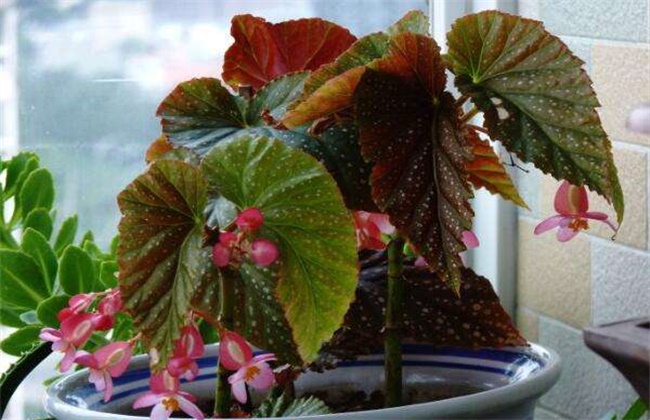
The leaves of Begonia maculata are green all year round, and its flowers bloom brightly, hanging down in clusters, making it highly ornamental. Keeping one at home is a pleasing sight. But many people do not know how to fertilize Begonia maculata when growing it. Below, the editor will share this with everyone, let us take a look together.
1. Apply base fertilizer before planting
When planting seedlings or repotting, an appropriate amount of base fertilizer should be added to the soil. This can provide sufficient nutrients for the seedlings or newly planted plants and promote their rapid growth. For the base fertilizer, animal manure or fish bone meal can be used, and cooked soybeans can also be placed at the bottom of the pot and used as base fertilizer.
2. Fertilize frequently during the growing period
During the growing period of Begonia maculata, it has the greatest demand for fertilizer. At this time, it needs a large amount of nutrients to grow. If the nutrient supply is insufficient, it will affect the normal growth of the plant, so it is necessary to fertilize frequently, but pay attention to the concentration of the fertilizer to avoid burning. Watering can be combined with topdressing, once every week, applying an organic fertilizer once. A relatively simple method is to dilute the organic fertilizer and spray it on the leaves.
3. Apply more phosphorus and potassium fertilizer during the bud stage
When the plant blooms, it cannot do without phosphate fertilizer. The phosphorus element can make the flower color more brilliant and the blooms fuller and more substantial. Rice bran, chicken manure, and bone meal can all serve as normal phosphate fertilizer. The potassium element can make the flower's root system stronger, reduce the harm of pests and diseases, and make the floral fragrance more rich. Wood ash has a relatively high potassium content and is also very easily absorbed by the plant. For friends growing it at home, a small amount of organic fertilizer can be added to the water, but fertilization should be stopped when the plant is blooming.
4. Do not fertilize during the dormant period
For Begonia maculata, fertilization should be stopped before flowering and during the winter dormant period, because these two periods do not require many nutrients. The nutrient reserves from the earlier stage are already sufficient, and during these periods the root system grows slowly. If fertilization continues, a large amount of fertilizer may not be absorbed, causing root rot.
The above is an introduction to how to fertilize Begonia maculata. We hope it can help you. To learn more related knowledge, please stay tuned to us.