What should be noted when purchasing breeding pigs from outside?
Pork is the most consumed type of meat in our country and has a very large market demand in our country. Our country also has a very large breeding area now, and when raising pigs, the selection and keeping of breeding pigs is very important. Sometimes when self-retained breeding pigs are not enough, many people purchase breeding pigs from outside. And when purchasing breeding pigs from outside, there are many points that require our attention. Below, the editor will briefly introduce the points to note when purchasing breeding pigs from outside. Let's take a look together!
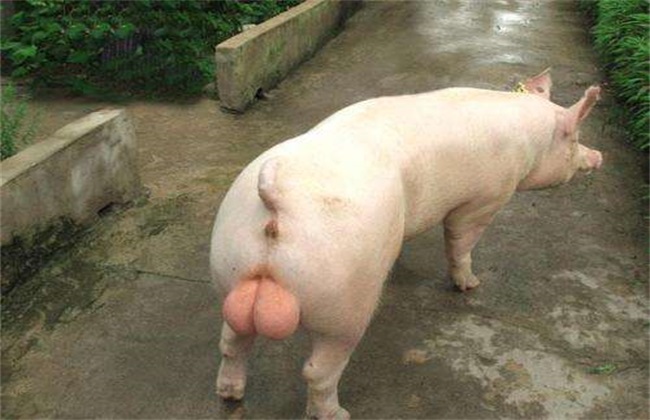
1. Male-to-female ratio
When purchasing breeding pigs, we should pay attention to arranging the male-to-female ratio properly. If purchasing for natural mating breeding and storage, then the male-to-female ratio should generally be controlled at about 1:20. If artificial insemination is used, then the male-to-female ratio can be expanded to about 1:100. But in order to ensure the production performance of boars and avoid situations such as the premature death of individual boars or low production performance, in addition to purchasing the boars required by the ratio, a few more boars should also be appropriately purchased as backups to avoid sudden situations and prepare for any contingency.
2. Scientific selection
After determining the male-to-female ratio, we should also focus on the selection of breeding pigs. The selection standards for breeding pigs should be changed according to sex, but the body weight standard can be used as a common selection ratio for both boars and sows. Generally, breeding pigs weighing about 85 jin are most suitable to be introduced into one's own farm as reserve sows. Their body weight standard should be controlled within 80-120 jin. Breeding pigs within this standard range are simple to raise and very cost-effective, so everyone should pay close attention.
3. Transportation of breeding pigs
After purchasing breeding pigs, transportation work should be done well. If transportation is improper, breeding pigs are very prone to pathogen infection or injuries from limb and hoof friction. In order to avoid these unexpected situations, first, before transportation, the transport vehicle should be comprehensively disinfected to kill pathogens. Then, an appropriate amount of clean bedding should be spread inside the vehicle to protect the hooves of the breeding pigs. Finally, if transportation is carried out in summer or other high-temperature seasons, then we should also control the temperature inside the transport vehicle well to prevent adverse phenomena such as heatstroke in the breeding pigs.
4. Isolated raising
After purchased breeding pigs arrive at the farm, they must not immediately be raised together with the herd. The purchased breeding pigs should first be raised in isolation for at least two months to observe their growth conditions. During the first 5 days after the breeding pigs enter the pig farm, the feeding amount should be controlled well, and they must not be fed too much, otherwise it is easy to cause indigestion in the breeding pigs. However, sufficient drinking water must be ensured, and substances such as electrolytic multivitamins can be appropriately added to supplement the breeding pigs' energy. After one week of raising, drugs such as amoxicillin can be added to the feed for disease prevention work. After two months, if the breeding pigs have not shown any abnormal conditions, then they can be grouped and raised together according to sex, body size, and so on.
The above is a brief introduction to the points to note when purchasing breeding pigs from outside. When purchasing breeding pigs from outside, be sure to choose a legitimate farm with a business license and no epidemic situation. Only in this way can the quality of the breeding pigs be guaranteed and the overall quality of one's own pig herd be improved. That is all for today's introduction. This article is for reference only, and I hope it can help everyone!