Rex Rabbit Farming Techniques: A Detailed Explanation of Seasonal Management Points
The rex rabbit is a breed of rabbit raised for its fur, and various textiles made from rex rabbit fur have a very large market in China. So to meet this market demand, more and more people are now farming rex rabbits, and the farming area for rex rabbits is also growing larger and larger. When farming rex rabbits, we need to reasonably adjust our management methods according to the changes of the seasons. Below, the editor brings you the key points of seasonal management for rex rabbits. Let's take a look!
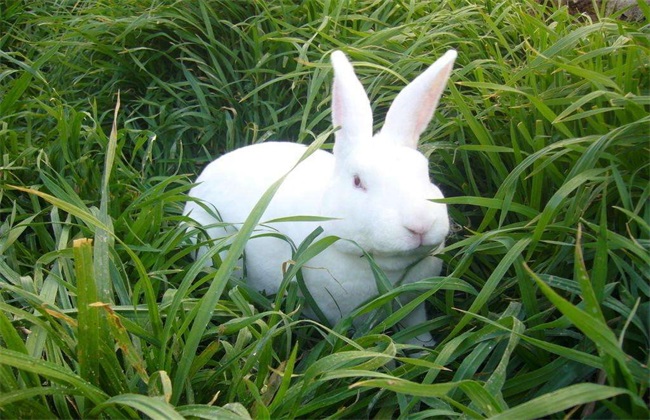
1. Spring Management
In the south, there is quite a lot of rainy weather in spring, generally creating a high-humidity environment. In such an environment, if management is poor, disease outbreaks are extremely likely. In particular, the incidence of coccidiosis is relatively high. In the north, on the other hand, there is more wind and sand, and temperature fluctuations are relatively large, which is very unfavorable for rex rabbit farming. So in spring we must control temperature and humidity well and do a good job of disease prevention. Clean the cages and housing regularly, disinfect on a regular basis, and control the feed supply well. Then observe the growth condition of the rex rabbits every day, and if any abnormality is found, check and treat it promptly.
2. Summer Management
Summer temperatures are relatively high, and there is more rainy weather, creating a high-temperature, high-humidity environment. Rex rabbits have a lot of fur and relatively poor sweat gland function. So in summer, rex rabbits' appetite declines and their resistance weakens. This is especially true for suckling rabbits and young rabbits, so in summer we must do a good job of heat prevention and cooling, avoiding heatstroke in rex rabbits caused by excessively high temperatures, which reduces their growth capacity. When feeding, appropriately move the morning feeding time earlier and delay the evening feeding time. Appropriately increase the proportion of green feed in the diet, provide plenty of clean drinking water, and add an appropriate amount of salt to the water to replenish the salt lost by the rex rabbits.
3. Autumn Management
Autumn's climate is relatively dry, and it is also the season with the most abundant forage resources. So autumn is the best season for rex rabbit farming, and therefore after entering autumn, the breeding work for rex rabbits should be done well. Also at this time, adult rabbits enter their molting period, so we should appropriately increase the proportion of green feed. Then feed more concentrated feed with a relatively high protein content. Strengthen management of young rabbits to prevent various adverse phenomena such as colds and pneumonia caused by poor management, which would reduce farming benefits.
4. Winter Management
In winter, temperatures gradually drop, reaching the lowest point of the year, and the daily natural daylight hours also gradually decrease. So in winter we must do a good job of heat preservation and cold protection, inspect the rabbit housing, and prevent drafty wind from invading and causing the rex rabbits to catch cold. Then before winter arrives, prepare sufficient feed, increase high-calorie concentrated feed, and supplement the rex rabbits with more vitamins. Finally, spread some dry grass on the floor inside the rabbit housing for the rex rabbits to rest on at night and prevent them from catching cold.
The above is a brief introduction to the key points of seasonal management in rex rabbit farming. The seasonal management work for rex rabbits is very important. If management is poor, it can have a fatal impact on the rex rabbits, so everyone must pay close attention. That is all for today's introduction. This article is for reference only, and we hope it can help everyone!