How to grow spider plants? Detailed guide to cultivation methods and precautions
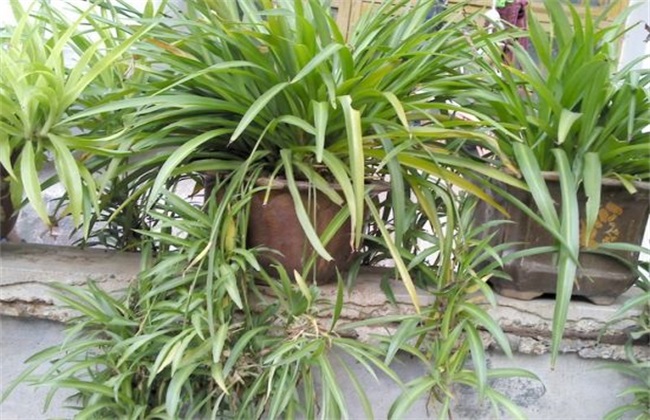
The spider plant (Chlorophytum comosum) is a perennial evergreen herbaceous plant with a very wide distribution range in China. It has high ornamental value and can also purify the air. Moreover, the entire spider plant can be used as medicine, with various effects such as resolving phlegm and relieving cough, reducing swelling and detoxifying. It is very popular in China, so how should spider plants be cultivated? Below, the editor brings you the cultivation methods and precautions for spider plants. Let's take a look!
1. Soil selection
The root system of the spider plant is very large and widely distributed, and some roots are also spindle-shaped. Therefore, the spider plant has relatively strict soil requirements. First, the soil must have good permeability, sufficient fertility, and normal drainage and irrigation. Then the soil pH should be slightly acidic. If mixing it yourself, you can buy seedling cultivation soil on the market and then add an appropriate amount of peat. If growing it in a pot, the choice of flower pot is also very important, and the flower pot must also have good permeability and quality.
2. Propagation methods
There are many propagation methods for spider plants, among which the commonly used one is the cutting method. Except in winter, cuttings can be taken in all other seasons. When taking cuttings, directly cut off the clustered stems and leaves from the stolon of the spider plant. Then insert them directly into the substrate, and water appropriately after insertion. Pay attention to the insertion depth, which should not be too deep, otherwise the heart is prone to rotting. Alternatively, division propagation can also be used. When dividing, cut apart the old roots of the spider plant, and keep about three stems on each root. Then, just like with cuttings, plant them directly into flower pots.
3. Water and fertilizer management
The spider plant has relatively poor moisture tolerance and is very afraid of waterlogging, but it also has a certain demand for water. If managed poorly, the spider plant is very prone to undesirable phenomena such as dry tips and withered leaves. Therefore, when cultivating spider plants, we should keep the soil slightly moist, not too dry or too wet, otherwise it will have a great impact on the growth of the spider plant. Then more topdressing can be applied. Pay attention to applying basal fertilizer once every year, mainly compound fertilizer. However, be careful not to let the roots directly touch the fertilizer, to prevent fertilizer damage and root burning, which could cause the spider plant to die.
4. Precautions
When cultivating spider plants, pay attention to frequently observing their growth and promptly remove some yellow leaves at the bottom of the spider plant to improve its ornamental value. Then control the temperature well. The suitable growth temperature for spider plants is generally around 20°C. It must not exceed the temperature range of 10-30°C. If it exceeds this range, it will have a great impact on the growth of the spider plant. Finally, there is light control. In seasons with strong light such as summer, avoid direct sunlight on the leaves of the spider plant, which can cause leaf scorch.
The above is a brief introduction to the cultivation methods and precautions for spider plants. Cultivating spider plants is actually relatively simple. As long as you do a good job in all aspects such as temperature and light, you can grow them very well, but you should not manage them extensively either. That is all for today's introduction. This article is for reference only, and I hope it can be helpful to everyone.