The correct way to handle root rot and stem rot in clivia
Clivia has extremely high ornamental value and is a very common potted green plant. Its plant shape is elegant, its leaves are emerald green, and its flowers bloom in orange-yellow, making it extremely beautiful. However, many friends find that before it even blooms, root rot and stem rot appear. So what should be done about root rot and stem rot in clivia? Let's learn about it together.
1. Causes of root rot
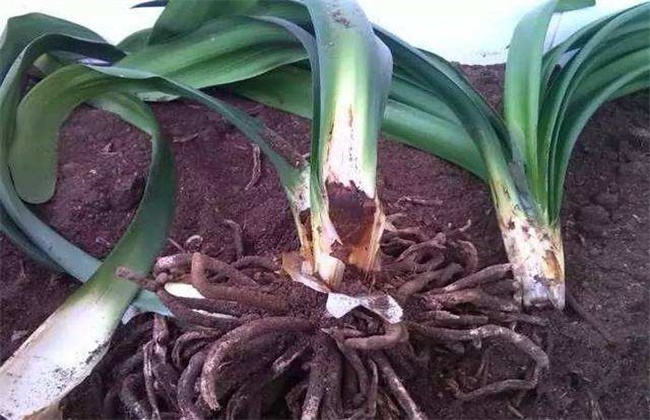
There are three causes of root rot in clivia. First, excessive watering. Whether it is a seedling or a mature clivia, it cannot be watered too much. Once it is overwatered, when the temperature rises and there is no ventilation, root rot is very likely to occur. Second, improper soil. Whether it is leaf mold soil or nutrient soil made from horse manure soil and peat soil, it must be fully fermented. If unfermented raw soil is used to grow clivia, under high temperature conditions, this raw soil will burn the fleshy roots of clivia because fermentation generates high temperatures. Third, excessive fertilization, especially when a large amount of chemical fertilizer is applied, will irritate the plant, promote leaf growth in the short term, but cause great damage to the fleshy roots, and very easily cause shrinkage and root rot.
2. How to handle root rot
As long as it is not rot in the core or stem, it is not very difficult to save. A clivia with root rot will stop growing and its leaves will begin to turn yellow. At this time, it should be removed from the pot in time, the old soil removed, and after cleaning it thoroughly, soak its root system in water, so you can see which roots have rotted, and then cut off the rotten root parts. After cutting, soak the rhizome in potassium permanganate solution. If it is replanted in new soil, it will still rot again, because pathogens remain in the rhizome, so soaking it in potassium permanganate solution can kill the pathogens. Then place it in a cool, ventilated spot to dry until half dry; do not let it dry completely. Choose a new pot and new soil for planting. The soil is best used after disinfection. Add some decomposed organic fertilizer under the soil, which is beneficial for recovery and growth. After planting, keep it in a shaded, ventilated place to avoid high temperatures, and also be careful not to let the soil become too wet.
3. Causes of stem rot and how to handle it
When spraying water on the leaf surface or applying fertilizer, if water and fertilizer liquid flow into the gaps at the leaf base, or if the temperature is high or too much base fertilizer is applied, heating and burning the leaf base, all of these can cause stem rot. If only part of the clivia leaf base is rotten, you can remove the rotten leaves and then wash it clean. The wound can be dipped in a 1000-fold solution of carbendazim and then dried, then replanted and managed normally.
The above is an introduction to what to do when clivia has root rot and stem rot. We hope it can help you. If you want to learn more related knowledge, please follow us.