What to Do If a Sow Has a Fever After Farrowing? Detailed Treatment Methods
Sows play a crucial role in the pig farming industry. Proper production management is very important for the overall development of the pig herd. Among these, sows must receive good care after farrowing, otherwise various problems can easily arise, greatly affecting the sow's lactation, growth, and the development of the piglets. A fever in a sow after farrowing is one such problem, so what should be done if a sow has a fever after farrowing? Let's take a look together below!
1. Clinical Symptoms
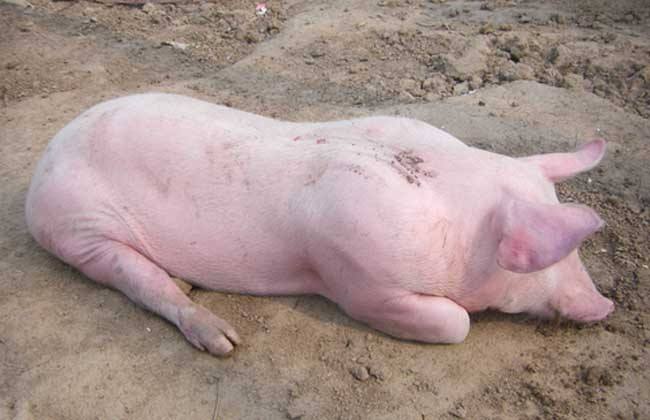
After farrowing, we must always observe the sow's condition, otherwise a fever can easily occur. The clinical symptoms of a sow developing a fever after farrowing first manifest as a rise in body temperature, which will exceed the normal temperature by about 3-5 degrees, reaching as high as 41.5°C. After the fever develops, the sow will lie down for long periods and be unwilling to move, and feed intake will drop noticeably due to decreased appetite. The body will tremble, breathing will be rapid, and milk production will decline as a result. On observing the vulva, a thicker discharge can be seen flowing out.
2. Treatment Methods
A fever in a sow after farrowing must be detected promptly and then treated. The condition should be judged based on the sow's body temperature, feed intake, and mental state, and then different treatment methods should be applied accordingly. If the body temperature is around 40.5°C, the fever is relatively mild, the sow is still fairly alert but does not eat. At this point, penicillin and streptomycin should be mixed and given by intramuscular injection, twice a day for about 3 consecutive days. If the body temperature reaches above 41°C, then the sow has more symptoms, and drugs such as Analgin should be injected promptly, with the dosage controlled at around 10ml. Alternatively, tetracycline hydrochloride can be injected subcutaneously, dissolved in glucose saline, with 500ml given as a single intravenous injection.
3. Preventive Measures
Prevention should be the main focus for postpartum fever in sows. First, in the farrowing house, feeding utensils should be thoroughly disinfected about 7 days before farrowing using a caustic soda solution or similar. The daily feed amount should also be gradually reduced, and no feed should be given before farrowing to ensure the sow can farrow smoothly. Both before and after farrowing, a potassium permanganate solution or similar should be used to wipe and disinfect the sow's vulva and udder once.
If difficulty during farrowing occurs during the delivery process, then oxytocin should be administered appropriately in the pig house. It is best not to reach into the birth canal with your hands to pull out the piglets; if it is truly unavoidable, then before doing so, disinfect your arms with potassium permanganate, then apply sulfonamide ointment, to avoid germs on the arms causing infection of the birth canal. Within the three days after farrowing, closely observe the sow's condition, such as feed intake, lactation, and body temperature. If farrowing takes place in summer or other high-temperature environments, then after farrowing, drugs such as sulfonamides and pituitary preparations should be used to prevent postpartum fever.
The above is a brief introduction to what to do if a sow has a fever after farrowing. If a sow's fever after farrowing is not treated in time, the harm to both the sow and the piglets is very great, so everyone must pay close attention. That is all for today's introduction; this article is for reference only, and I hope it can help everyone!