Complete Guide to Prevention and Treatment Methods and Techniques for Common Sheep Diseases
Sheep are prone to illness when raised; some are seasonal diseases that can be fatal, some are infectious diseases with serious contagious harm and generally high lethality, and there are also some endemic diseases. Each disease has a different cause. But all of them threaten the health of sheep, so prevention must be done well, and when prevention fails, timely treatment is needed to control the condition. Below is a look at some common diseases.
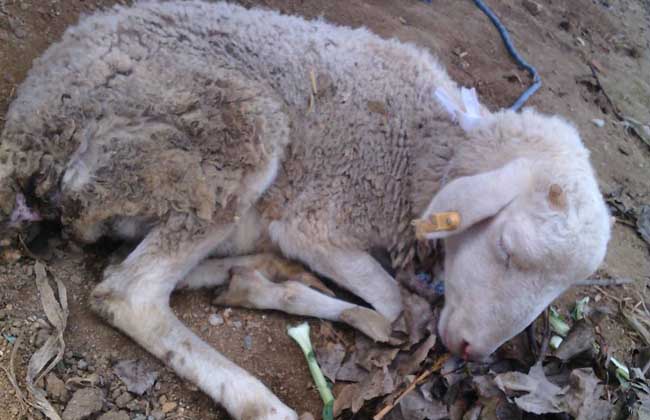
1. Enterotoxemia in sheep
It mainly harms sheep and is a disease caused by Clostridium welchii infection. The bacteria multiply very quickly and release toxic substances, with a very high mortality rate; infected animals die quickly. It is easily beyond rescue. The main characteristic of this disease is that upon dissection the kidneys are seen to be soft. Keep hygiene clean, prioritize prevention, disinfect promptly, and vaccinate on schedule. After onset, inject each sheep intramuscularly with 3 vials of 1.6 million IU penicillin, twice a day, for several days. Medications should be added to food and feed.
2. Contagious ecthyma (sore mouth) in sheep
Relatively speaking, the harm is not so serious, but it is a common disease. It mainly causes sores on the lips, which break open and discharge pus, then form scabs. If not serious, it will improve after the scabs fall off; if serious, it will gradually spread to the face, and then the harm becomes serious. If medication is not used continuously, it will lead to pneumonia and easy death. Generally, medication is injected directly; one or two injections are enough, using cefuroxime.
3. Pneumonia in lambs
It generally occurs in lambs half a month after birth. It is usually caused by diplococcus pneumoniae infection, but it can also occur under triggering factors, such as sudden and unstable temperature changes; it can also be caused after a cold, just like in humans. After onset, there will be a runny nose, coughing, and poor spirits. There are acute and chronic types. Use 200,000 units of penicillin, add 3 mL of water and 0.1 mL of promethazine medication for injection. The animal should be cooled down and kept in a ventilated place.
4. Common cold in sheep ⟧11⟧When the temperature drops and the sheep gets cold in winter, it is prone to catching a cold. This is the most common disease and can be treated with many medications, including the Western medicine compound aminopyrine injection, or Houttuynia cordata injection, and penicillin, injected twice a day. Use for about three days. There are also traditional Chinese medicine formulas; for specifics, consult a veterinarian, as there is more than one formula.
When the temperature drops and they catch a chill in winter, they easily catch colds, which is the most common illness. It can be treated with various medicines, such as the Western medicine compound aminopyrine injection, or Houttuynia cordata injection, or penicillin, injected twice a day for about three days. There are also traditional Chinese medicine formulas; consult a veterinarian for specifics, as there is more than one formula.
5. Diarrhea in sheep
After infection with certain bacteria, viruses, or parasites, diarrhea will occur. There is more than one cause. Sheep with weak resistance are more susceptible, and lambs and old sheep are more prone to it. After infection, in addition to diarrhea, there will also be unsteady walking and swaying with struggling. Direct injection can treat multiple diarrhea-causing pathogens, such as gentamicin and Sanqi Zhixieling.
There are many diseases that seriously harm sheep's bodies, but some are common and relatively harmful diseases, and there are generally many treatment medications for them. However, treatment must be timely and must not be delayed; even mild cases will worsen if delayed. For specific detailed treatment, consult a doctor.