How to Grow Chinese Roses? Detailed Guide to Cultivation Methods and Precautions
The Chinese rose, also known as Yueyuehong and Changchunhua, originated in China and has a cultivation history of over two thousand years. It was introduced to Europe in the 18th century, where it underwent repeated crossbreeding, targeted cultivation, and artificial selection with European roses, resulting in many excellent varieties. So how should Chinese roses be grown? Let's take a look.
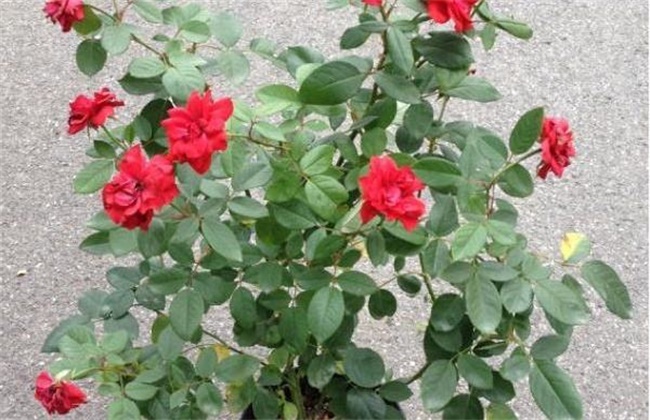
1. Pot and Soil Selection
The flower pot used for cultivation should preferably have good permeability, with ordinary clay pots being the best choice. New clay pots should be soaked in water before use. Additionally, as the plant gradually grows, it should be progressively repotted into larger pots. Chinese roses prefer fertile soil and are afraid of drought and waterlogging, so a sandy loam soil that is loose in texture, rich in organic matter, well-draining, and well-aerated must be selected. A pH range of 5.6-7.2 is suitable for planting, but slightly acidic to slightly alkaline soil with a pH of 6.8-7.2 is better. You can also mix garden soil, compost soil, and rice husk ash in a 5:3:2 ratio, then add an appropriate amount of rapeseed cake.
2. Temperature and Light
The most suitable temperature for Chinese roses is 18-20°C, so insulation is needed in winter and cooling in summer. In April-May and September-October, the flowers are larger, with more petals and vivid colors. When temperatures rise above 25°C, growth accelerates, but the flowers do not last long. In high temperatures above 30°C and humid climates, not only are the flowers small with few petals, pale colors, and faint fragrance, but various pests and diseases are also highly likely to occur, so temperature regulation should be noted. Chinese roses are sun-loving plants that prefer ample sunlight, requiring no less than 5-6 hours of light per day; otherwise, it can lead to weak and spindly branches and leaves, excessive vegetative growth, and poor flowering. Generally, they should be placed in a location with sufficient light, with appropriate shading and sun protection at noon in summer.
3. Fertilizer and Water Management
Watering Chinese roses should follow the principle of "do not water when dry, water thoroughly when watering." Watering should be moderate, neither too dry nor too wet. Generally, water once every two days in spring. As temperatures rise and evaporation increases, watering frequency should gradually increase. In summer, water once in the morning and once in the evening, and also spray water frequently to cool down. Fertilization should follow the principle of "light fertilizer applied frequently," avoiding raw or concentrated fertilizer. Applying a small amount of organic fertilizer in winter can enhance cold resistance for overwintering. When buds sprout, apply a higher concentration of decomposed organic fertilizer. When flower buds are about to open, apply an additional dilute liquid fertilizer. After flowers fade, apply a medium-concentration liquid fertilizer once more to promote abundant flowering in autumn.
4. Precautions
Chinese roses have strong cold resistance and can withstand low temperatures of minus 10°C. Generally speaking, in the south, there is no need to move them indoors for overwintering. After flowering in October, do not prune, so as not to stimulate sprouting. Stop applying nitrogen fertilizer and increase phosphorus and potassium fertilizer. This makes the branches sturdy and enhances cold resistance. Do not let them lose water at low temperatures to prevent death from dry freezing. Generally, when new shoots grow to 15-20 cm, cut off about 3 cm from the top to promote lateral bud germination. When lateral branches grow to a certain length, continue pinching to achieve the desired branch structure.
The above is an introduction to Chinese rose cultivation methods and precautions. We hope it helps you. For more related knowledge, please stay tuned to us.