How to Grow Pennywort? Detailed Guide to Growing Methods and Precautions
The scientific name of pennywort is Hydrocotyle sibthorpioides, a perennial creeping herbaceous plant. It has a relatively wide planting area in southern China, with various effects such as pain relief, heat clearing and dampness removal, and the whole plant can be used as medicine. It is also a relatively popular ornamental plant. So how exactly should pennywort be grown? What precautions should be taken when growing it? Below, the editor brings you the growing methods and precautions for pennywort. Let's take a look!
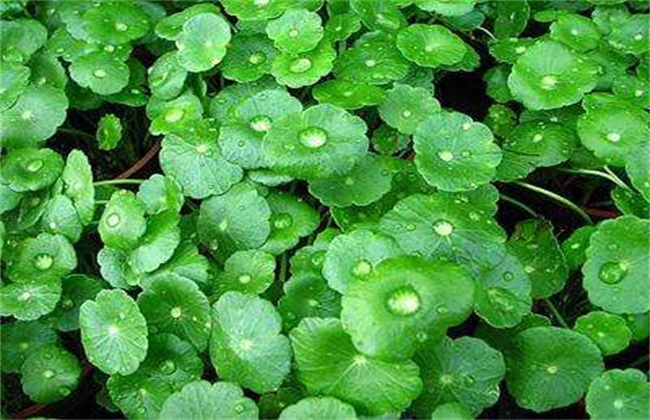
1. Soil Selection
Pennywort has relatively strong growth ability, and wild plants do not have very high soil requirements. It can grow normally in most soils, but one thing to note is that pennywort has relatively poor drought tolerance. Therefore, the planting soil should still be selected as soft, well-aerated and with strong water retention capacity. Moreover, high-quality soil will play a certain role in promoting the growth of pennywort, improving its growth ability and ornamental value. Soil with good drainage capacity can also prevent soil waterlogging, which would lead to adverse phenomena such as root rot in pennywort.
2. Propagation Methods
The propagation methods of pennywort are generally mainly division and sowing, usually carried out around Qingming Festival each year. When sowing, the seeds must first be pre-germinated. The pre-germination method for pennywort is relatively simple: pour the seeds into a container, then pour water into the container until the seeds are submerged. If the temperature is relatively low, wrap the seeds with plastic wrap, change the water frequently, and place them in a ventilated place. After about 5 days, the seeds will sprout. Then, when the sprouts grow to about 1 cm, they can be transplanted and planted.
3. Water and Fertilizer Management
Pennywort has a relatively large demand for water and likes to grow in a moist environment. Especially in summer, due to high temperatures, water evaporates quickly, and because pennywort has many leaves, it is prone to water shortage. Therefore, in summer, pay attention to watering more to increase humidity and keep the soil moist. On the contrary, in winter, pay attention to drainage work to avoid waterlogging causing root rot in pennywort. Then, during the peak growth period of pennywort, water about once every two weeks, combined with topdressing. When topdressing, pay attention to controlling the amount of fertilizer to prevent fertilizer damage.
4. Precautions
When planting pennywort, pay attention to controlling light. Do not let the leaves be exposed to direct sunlight, but do not keep them too shaded either. If there is too little light, the leaves of pennywort will rot, so ensure about 5 hours of light per day. Then pay attention to controlling temperature; generally, keeping the temperature at around 12-22 degrees is sufficient. The maximum should not exceed 30 degrees, and the minimum should remain above 8 degrees. If the leaves grow too densely, we should also pay attention to appropriate pruning to improve ventilation.
The above is a brief introduction to the growing methods and precautions for pennywort. Although the growing methods for pennywort are simple, extensive management should not be used, otherwise it will have a certain impact on its ornamental value and yield. That is all for today's introduction. This article is for reference only, and I hope it can help everyone!