Detailed Explanation of Catfish Farming Methods and Technical Points
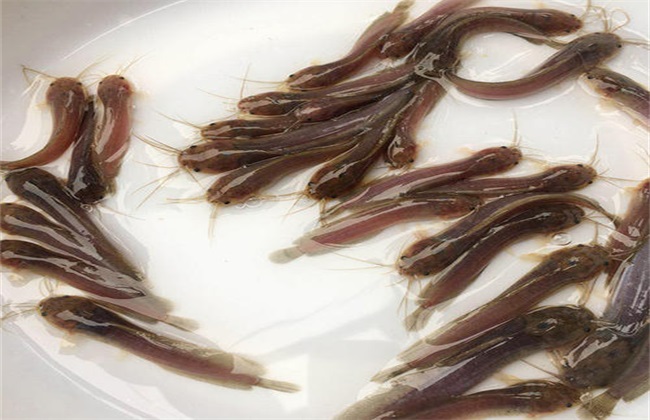
There are quite a few species of catfish; the common ones are the local catfish, the walking catfish, and the bigmouth catfish. Their main feature is fast growth. The bigmouth catfish has low water quality requirements, and while many are wild, there are also many farmed artificially. Among them, the walking catfish is considered the best, as it is highly nutritious and commands a good price. So today we will mainly introduce the farming methods for the walking catfish: how to farm it, what to pay attention to, management details, and so on. Please keep reading.
1. Environmental Requirements
A clean water source is required; it is best to build the pond in a place with an abundant source of running water. The pond should be built with good water retention and should not leak. Some non-spreading aquatic plants should be planted in the pond to provide a habitat environment, but the water surface must not be largely covered by aquatic plants, which would block oxygen and make breathing difficult. The inlet and outlet should be covered with mesh to prevent other animals from entering and also to prevent the fish from escaping. The surrounding area should be raised and reinforced, with protective measures installed.
2. Stocking Preparation
Two weeks before stocking, drain the water and wash the whole pond with a quicklime solution. After soaking for one week, scrub the pond clean. Then fill it with clean water and soak, until two days before stocking, drain it and refill with water, ready for stocking. Before stocking, the fry should be soaked in light salt water or another disinfecting solution for 20 minutes; after sterilization, they can be stocked. Prepare the feed for feeding after release into the water.
3. Release
Generally, about 20,000 fry are released per mu of pond; of course, fewer is possible, but it is not cost-effective. Release fry of the same size, not too large or too small, as this easily leads to uneven growth and cannibalism. Release them gently so they adapt easily to the environment. It is best to release them at noon when the temperature is suitable.
4. Feeding
After release, they can be fed a few hours later. Some grains are ground into powder, mixed with water and kneaded into balls to avoid scattering too quickly and going to waste. They should also be fed some shellfish meat and snail meat, which should be chopped before feeding. Other small fish and shrimp can all be fed. It is best to feed grain powder, nutritional powder, and meat together. As for the approximate feeding amount, you can stop feeding once the fish show no movement. Generally, they are fed twice a day, and some small shrimp are raised in the water as bait.
5. Maintenance
Fertilizer can be applied in the water to cultivate natural bait for the fish to eat. Normally, attention should be paid to changing the water, and the water source should always be flowing. On rainy days, prevent the fish from escaping; on hot days, pay attention to aeration to maintain oxygen in the water. The common occurrence is print disease, which should be treated promptly by isolating the affected fish and disinfecting the whole pond. Use bleaching powder for disinfection. A common pest is the wheel worm, which causes parasitic damage; use copper sulfate and ferrous sulfate mixed together.
The walking catfish is one of the more valuable catfish species for farming. In farming, attention must be paid to environmental conditions, and some preparatory work must be in place. Long-term maintenance must not be taken lightly. Feeding must pay attention to nutrition.