Deworming Methods and Precautions for Pregnant Ewes
Sheep farming is now a very important breeding project in many regions of our country. When raising sheep, we need to do a good job in management to ensure the healthy growth of the flock. Therefore, we must strictly follow the procedures for deworming and disease prevention. This avoids parasites and various diseases affecting the growth of the ewes. But if it is a pregnant ewe, can it be dewormed? And how should deworming be done? Below, the editor will introduce this to everyone. Let's take a look!
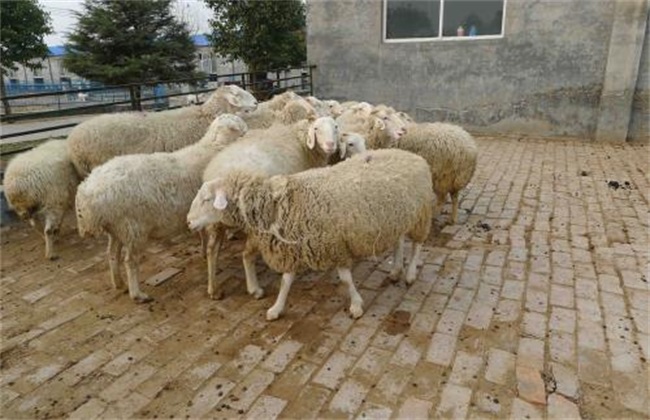
1. Drug Selection
When deworming pregnant ewes, we must first choose appropriate deworming agents, focusing on high efficiency and low toxicity, such as avermectin, afuding, etc. The toxicity of these agents is very low, and they can prevent and control various parasites, with strong deworming and killing effects. However, it should be noted that these agents cannot kill parasite eggs. Because if the efficacy is strong and the toxicity is strong, it will cause great harm to pregnant sheep, and adverse phenomena such as miscarriage and stillbirth are likely to occur, so everyone must pay close attention.
2. Drug Use
The timing of deworming for pregnant sheep must be well controlled, and the number of dewormings per year should be kept at about two times. It is generally carried out in spring and autumn, because spring and autumn are the seasons with a high incidence of parasites, and ewes are also extremely susceptible to parasite harm. Then, when deworming, we should carry out pre-partum deworming for pregnant sheep before lambing. This prevents the appearance of fecal worm eggs 1-2 months after lambing, which can lead to a postpartum increase in the ewe. If the parasite harm is relatively severe, then postpartum deworming work should be carried out about one month after the ewe gives birth.
3. Dosage
There are many deworming methods, generally including injections, powders, and tablets. If injections are used, intramuscular injection and intravenous injection must not be used; subcutaneous injection should be the main method to avoid affecting the growth of the ewe. Control the dosage according to body weight; generally, about 10 jin requires an injection of 0.7 mg. If powder deworming is used, then oral administration and mixing into feed should be the main methods, with the dosage per 10 jin kept at about 1 mg. Finally, if tablets for internal prevention and treatment are used, then the dosage is the same as that of the powder.
4. Precautions
When deworming, we must pay attention to controlling the dosage of the deworming agent. For ewes that are not pregnant, the dosage can be appropriately increased. Ewes that have been given deworming agents must not be consumed immediately; they should only be consumed after about two weeks, and the sheep milk should only be drunk after about three weeks. If external parasites appear, then the drug should be used once more one week after deworming. After deworming, the sanitation work of the sheep shed should be done well, and the sheep's excrement should be treated regularly to avoid the breeding of parasites and pathogens again.
The above is a brief introduction to deworming methods for pregnant ewes. If there is no parasitic disease in the local area or it is only at a sporadic level, then try not to deworm pregnant sheep, and it is best to do it after the lactation period ends. That is all for today's introduction. This article is for reference only, and I hope it can help everyone!