Key Technical Points and Detailed Breeding Methods for Greenhouse Pig Farming
Pig farming generally involves building pig pens as the living environment for raising pigs. The traditional pig farming model is not necessarily bad, but people tend to seek new breeding models and keep exploring, so greenhouse pig farming is also a new type of model. It has certain drawbacks, but also many advantages. However, the main purpose is to reduce some breeding costs. Whether greenhouse pig farming is good and how to do it, you can refer to the following content.
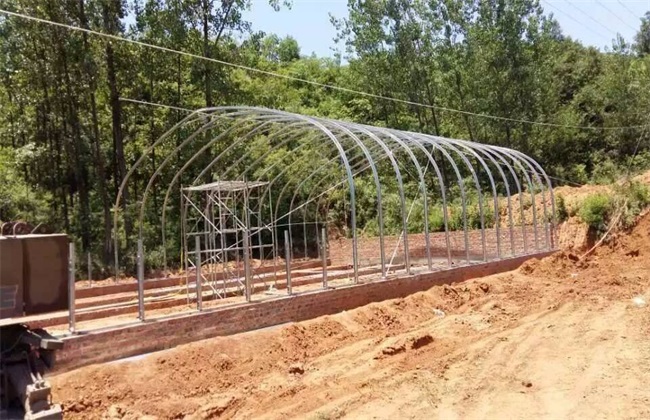
1. Breeding Advantages
Large-scale pig farms cost a lot, so building greenhouses for farming is more suitable, as the cost is relatively low. The cost of greenhouse film and supports is much less than that of brick, stone, tiles, and various materials combined. Moreover, if you no longer want to raise pigs, you can directly switch to growing vegetables. If you do not want to use the greenhouse, you can also dismantle it for other purposes. The greenhouse can be made in a form with ventilation in the middle, which can be adjusted. Ventilation is convenient, which can reduce humidity and improve the environment.
2. Greenhouse Construction
Set up a taller greenhouse, above 2 m. It is best if the film at both ends can be raised and lowered, and screens should be installed to prevent mosquitoes and insects from entering. This way, ventilation and air circulation are better. The two long sides can be made rollable and adjustable. Install shade nets for shading and cooling, and it can also be built in a place with nearby trees for shade. Generally, the lower part is a brick-structured pig pen, and in summer the top is like a shade shed.
3. Feeding Methods
Plant grain, vegetables, or forage grass nearby, and feed them to the pigs after harvest, which will be much more nutritious. Pig manure can be utilized. After fermentation, it becomes fertilizer and returns to the fields, thus forming a recycling system. However, grain plants need to go through various processing steps to be prepared. For example, corn needs to be made into cornmeal, but some vegetables can be washed, chopped, mixed with feed, cooked, and then fed. Sweet potatoes can be fed raw. Prepared feed is generally added to cooked food and fed together.
4. Management Methods
The hygiene of the pig pen is likewise cleaned daily. Feeding and drinking utensils must be disinfected, the environment should be disinfected regularly, and people entering and exiting should step through a lime pit for disinfection and wear work clothes. In summer, ventilate. When the temperature is usually high, you can ventilate freely to cool down, but pay attention to deworming, inject vaccines on schedule, and vaccinate to prevent diseases. Aside from replacing the roof with a shed roof and ensuring smooth ventilation on all sides, there are no major changes.
In greenhouse pig farming, the advantages are that it is slightly cleaner, ventilates well, reduces bacteria, prevents diseases, and has good light exposure, which is beneficial to pig growth. But it is not without drawbacks, so it still needs to be tried cautiously and not followed blindly just because it is popular.