Kalanchoe Cutting Propagation Methods and Key Points Detailed Explanation
Kalanchoe (Kalanchoe blossfeldiana) is a common household potted flower, especially popular with many people for its long flowering period and abundant blooms. To grow kalanchoe well and make it burst into full bloom, many people try cutting propagation. But what should be noted when propagating from cuttings? Let's find out together.
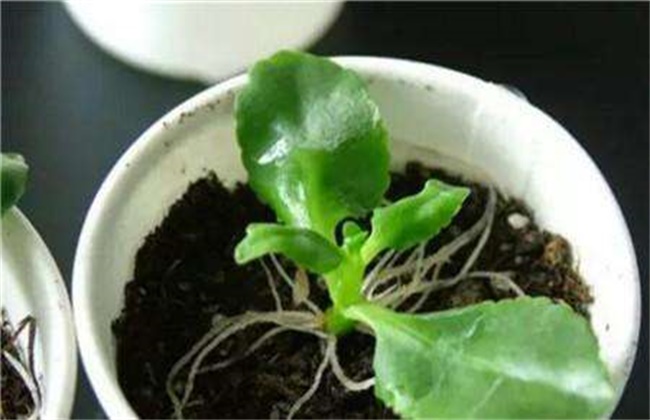
1. The cut wound on the stem must be dried
Kalanchoe is a succulent plant, and its stems are fairly tender and watery. When taking cuttings, the wound must be dried, generally for 2-3 times, and cuttings should only be taken after the wound has scabbed over. Fresh wounds should not come into contact with soil, to prevent pathogens from invading and causing infection. This is even more important when taking cuttings in summer, because with high temperatures, pathogens and microorganisms multiply faster, and the slightest mistake can easily cause black rot, leading to failure of the cutting.
2. The soil should not be too wet
In summer, temperatures are higher, and indoor temperatures are even higher. Under poor ventilation, kalanchoe will enter a dormant or semi-dormant state. After entering dormancy, kalanchoe shows slow growth, and taking cuttings at this time will greatly reduce the survival rate. So when taking cuttings, keep the soil only slightly moist, and pay attention to the depth of insertion; do not insert the cutting too deep. The soil should also be loose and breathable.
3. Avoid strong light and ensure good ventilation
Since cuttings of kalanchoe have no root system to absorb nutrients, after taking cuttings it is best to place them in a cool, ventilated spot. This helps them take root, and can also carry away excess moisture on the soil surface, making black rot less likely during propagation. If the light is too strong, the leaves lose water severely, and since the roots cannot absorb enough nutrients to replenish it, kalanchoe will develop yellowed, wilted leaves and die from dehydration.
4. Pinch off the flower buds
Young kalanchoe seedlings that have successfully rooted from cuttings generally grow flower buds and bloom. These buds should not be kept, because flowering consumes a large amount of nutrients from the plant and affects its normal growth. The goal for young seedlings is to grow leaves and roots; pinching off the flower buds helps the root system recover, makes the plant grow strong, and after the seedlings are well grown, once the climate cools down in autumn, they will quickly bloom.
The above is an introduction to the key points to note when propagating kalanchoe from cuttings. We hope it helps you. To learn more related knowledge, please stay tuned to us.