How to Grow Snake Plants? Detailed Guide to Cultivation Methods and Precautions
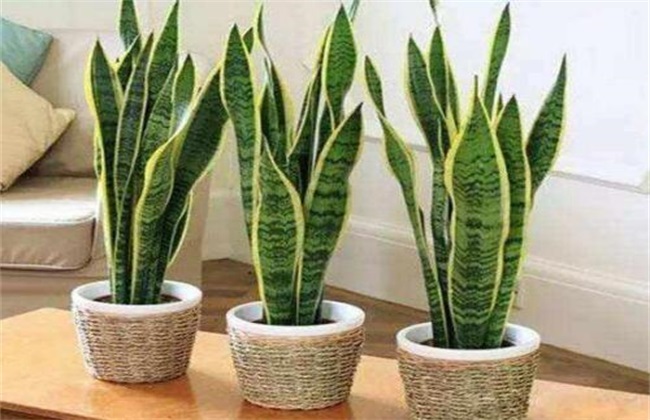
The snake plant, also known as mother-in-law's tongue or thousand-year plant, is an evergreen herbaceous plant cultivated throughout China. Snake plants have very high ornamental value and are suitable for decorating homes or offices. They also absorb formaldehyde effectively, helping reduce formaldehyde hazards. So how exactly should snake plants be cultivated? Below, the editor brings you the cultivation methods and precautions for snake plants. Let's take a look!
1. Soil Selection and Propagation
Snake plants are not very demanding about soil, though they prefer loose soil rich in organic matter and have strong tolerance for drought and poor soil. Therefore, ordinary soil is sufficient, and the main propagation method for snake plants is division. First, select overgrown clumps and divide them into several clumps, then apply an antiseptic film to the cut surfaces to prevent wound rot and promote healing. Then spray an appropriate amount of Xin'gaozhimo (a plant film agent) on the plants to improve their cold resistance and heat preservation ability. After the agent dries slightly, they can be planted.
2. Light Control
Snake plants do not need much light; providing an appropriate amount of scattered light is sufficient. Although they have some light-loving nature, they should not be kept in strong light for too long. If exposed to strong light for too long, the leaves will develop various undesirable symptoms such as darkening or whitening. Temperature must also be controlled well; snake plants prefer warm environments, with an optimal growing temperature of around 20-25°C. If the temperature drops below 15°C, growth is noticeably hindered, and below 10°C will cause root rot and gradual death.
3. Water Management
When growing snake plants, pay attention to controlling the amount of watering to avoid overly wet soil. If watered too much, the ornamental value of the snake plant will be reduced. However, spring to autumn is the peak growing season for snake plants, and more water should be given during this time. In winter, snake plants enter dormancy, so watering should be reduced and the soil kept dry. The soil must not become waterlogged; if water accumulates, drain it promptly to avoid root rot. Then pay attention to controlling the amount of fertilizer; during the peak growing season, fertilize at least once a month, mainly with frequent small amounts, and do not apply nitrogen fertilizer alone. Otherwise, leaf growth will be affected and ornamental value reduced.
4. Precautions
When growing snake plants, we should adjust management methods reasonably according to seasonal changes. For example, in summer, do good shading work to prevent direct sunlight from scorching the snake plant leaves. Then spray appropriately around the plants to lower the temperature and help the snake plants safely get through summer. If they have been in a shady place for a long time and then need to be moved into the light, there must be a transitional process to prevent the snake plants from being unable to adapt, which can easily lead to death.
The above is a brief introduction to snake plant cultivation methods and precautions. Growing snake plants requires us to strengthen management, enhance their growth ability, and improve their ornamental value. That's all for today's introduction. This article is for reference only, and we hope it can help everyone!