How to Grow a Radermachera sinica? Detailed Guide to Cultivation Methods and Precautions
Radermachera sinica is a very common flowering plant in China. It has a very beautiful appearance and very high ornamental value. Its flowering period is also relatively long, with abundant flowers and a faint fragrance. It is found in most companies and households across the country, so how should you go about growing Radermachera sinica on a large scale? Are there any precautions? Let's take a look together below!
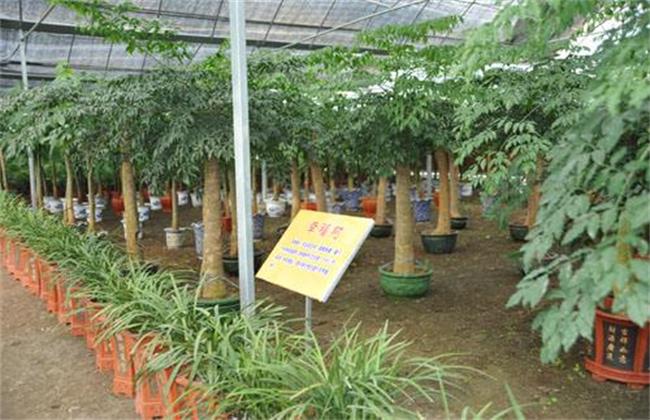
1. Growing substrate
To grow Radermachera sinica, you first need to prepare the growing substrate, which must be loose, rich in nutrients and well-drained. If conditions allow, you can mix it yourself according to the planting area; home-made mixes are mainly based on garden soil, leaf mold and farmyard manure. When mixing, the pH value should be controlled at around 5.8. When planting, pay attention to loosening the soil to maintain the permeability of the substrate, so that Radermachera sinica can always live in a good environment.
2. Water management
When growing Radermachera sinica, we need to do a good job of water management, and the air humidity should be maintained at around 75%. In order to maintain the ornamental value of Radermachera sinica, when it sprouts new shoots in spring, pay attention to controlling the amount of watering, keeping the soil moist is enough. Avoid excessive water causing Radermachera sinica to grow leggy. After entering summer, we should also spray water on the leaves about 3 times a day to lower the temperature. If waterlogging occurs, drain it promptly to ensure the normal growth of Radermachera sinica.
3. Reasonable fertilization
Radermachera sinica has a relatively large demand for nutrients during growth, and we should reasonably apply various fertilizers such as nitrogen, phosphorus and potassium. Apply topdressing reasonably during the growing period; especially in the growing season, topdressing should be done once a month. We should also reasonably adjust the fertilization ratio according to seasonal changes. For example, when growing in the north and entering the relatively cold winter, around September, appropriately apply topdressing of monopotassium phosphate about twice. This improves the cold resistance of Radermachera sinica and helps it overwinter safely. If the temperature is not within the range of 12-30 degrees, then topdressing should be stopped.
4. Shaping and pruning
In order to improve the ornamental value of Radermachera sinica, we should also prune it. The first pruning should be carried out before Radermachera sinica buds in spring, mainly targeting old and weak leaves and overly dense and long shoots. Then, trees with many side branches should be appropriately pinched. If you want to improve the plant shape of Radermachera sinica, you should also reasonably use growth regulators such as paclobutrazol, about once a week, and adjust reasonably according to the weather and the growth of Radermachera sinica.
5. Precautions
When growing Radermachera sinica, we should also pay attention to controlling the temperature; the suitable growth temperature for Radermachera sinica is around 25 degrees. In summer, the temperature should be kept no higher than 28 degrees, and attention should be paid to cooling; in winter, it should not easily fall below 8 degrees, otherwise frost damage is likely to occur. Then pay attention to controlling light; Radermachera sinica can live in a semi-shaded environment, but direct sunlight must not be allowed, otherwise it will cause leaf scorch.
The above is a brief introduction to the cultivation methods and precautions for Radermachera sinica. Growing Radermachera sinica is not difficult; the main thing is to do a good job in management and pay more attention to some details so that it can be grown better. That's all for today's introduction. This article is for reference only, and we hope it can help everyone!