What can't rabbits eat? Never feed them these foods
Keeping rabbits is not an easy task. People often say that the rabbits they keep die easily, and it may actually be because they ate food they shouldn't have. Rabbits mainly eat grass, so it is best not to feed them other foods. Even when feeding grass and vegetables, some vegetables and grasses are not suitable for rabbits to eat. There are also some small details to pay attention to when feeding. Next, let's look at what rabbits can't eat, as well as feeding precautions.
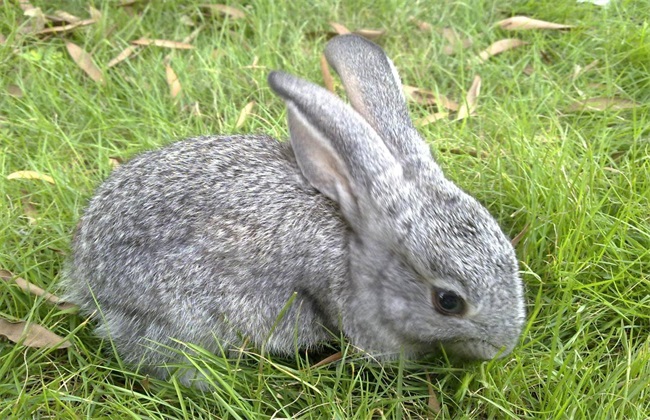
1. Food taboos
Rape (rapeseed greens) contains a lot of alkaloids, so it cannot be fed to rabbits; rabbits cannot digest potatoes, and potatoes sprout easily, which may cause poisoning if eaten, so they cannot be fed; green tomatoes contain certain toxins, and rabbits may be poisoned if they eat them; eggplant contains various alkaloid components, and eating it can cause gastrointestinal discomfort in rabbits and make them prone to diarrhea. The leaves of onion and garlic seasoning plants are not suitable for rabbits to eat, so do not casually pull them from the ground to feed them. Besides the above vegetables, some leafy vegetables and radishes are common vegetables that rabbits can eat. Apart from these vegetables, other foods that people eat are generally not very suitable for rabbits, especially processed foods.
2. Precautions
Picked vegetables should be washed clean and dried before feeding. Do not feed unclean vegetables or vegetables with water on them; rabbits have fragile stomachs and intestines and are prone to illness. Grass should be cut on sunny days after the dew has dried, and clean grass should be harvested, so that it does not need to be washed again. Radish-type vegetables should be carefully washed and should not carry mud. All items should be supplied at any time and should not be left for too long, as they can easily become moldy or stale, and rabbits can easily get sick after eating them. If vegetables or fruits are refrigerated, they should be left outside for a period of time before feeding; if they are too cold, rabbits can easily get diarrhea.
3. Pay attention to drinking water
Rabbits need to drink water. Do not stop rabbits from drinking water just because vegetables contain moisture. Generally, suitable drinking utensils should be placed in the rabbit hutch, filled with clean water, and do not use rainwater or the like. Feed water that people can drink. The water should be changed every day, and the water containers should also be cleaned and disinfected to prevent rabbits from being infected by bacteria. However, do not let them drink too much water; decide based on the vegetables they eat. You can appropriately provide water, but you cannot provide none at all.
4. Commonly eaten foods
They mainly eat forage, commonly planted pasture grass, legume forage, and grass-family forage. They mainly eat fresh grass and rarely eat hay. Common ones include timothy grass, dandelion, and sweet potato vines. Common succulent feed includes radishes, carrots, pumpkins, sweet potatoes, and the relatively watery roots and stems of some plants. In addition, a little concentrated feed also needs to be fed, such as fish meal, soybean meal, and the like. Common vegetables are cabbage, Chinese cabbage, green vegetables, and radish leaves.
Feeding is very important in rabbit farming. Note that rabbits have relatively poor stomachs and intestines, and young rabbits have weaker adaptability than adult rabbits. Mainly feed some grasses, vegetables, and roots and stems that rabbits commonly eat, and do not randomly feed them processed foods that people eat. Food should be clean. When raising rabbits, pay attention to the above issues, and some diseases can be prevented.