How to prepare orchid potting soil? A detailed guide to soil mixing methods
Orchids originally grow in microacidic soil rich in leaf litter humus under the trees of deep mountain forests. This kind of forest-floor soil is generally loose, airy, and has excellent fertilizer-retaining properties. So for cultivated planting, it is best to prepare a growing mix, because orchids have strict soil requirements and grow best only in such a soil environment. In cultivation, the growing mix can be made from many kinds of materials, and different potting soils can be prepared. Now let's look at how orchid potting soil is mixed.
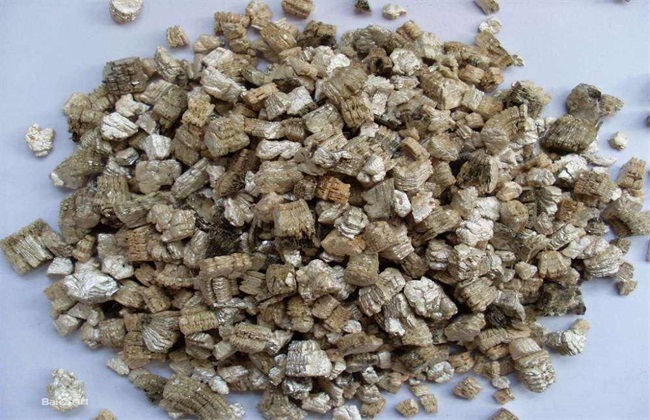
1. Sand and gravel materials
Orchid growing soil needs to be airy and have a certain amount of pore space, so most of its components are hard materials, such as peat, coarse sand, river sand, vermiculite, crushed tile granules, broken firebrick residue granules, or burnt honeycomb briquette granules. The advantage of these materials is that they are airy and have good drainage. About 65% of orchid potting soil is made up of these components, which are relatively important. Which ones to choose needs to be decided together with the other plant materials, and the materials must be disinfected.
2. Plant materials
The main materials include sawdust, peanut shells, pine needles, fallen leaves, and tree bark, all of which can be used as growing soil. Note that these generally need to be composted, and then used afterward. They need to be cooked and then fermented; fermentation is relatively fast, and it can also sterilize and disinfect. The fermentation time of these materials varies, and they can be chosen according to need. Generally, peanut shells are very good for growing orchids, and tree bark that has naturally fallen off for several years does not need to be fermented.
3. Fertilizer
Collect forest-floor humus soil from the mountains; after disinfection it can be used directly, and its fertilizer effect is relatively good, so other ingredients can be reduced. The residue left after pressing various oils, and cake fertilizers such as bean cake and tea cake, are very good fertilizers with obvious effects, and the plants grow well. In addition, fully rotted dried cow dung residue can be used as a base fertilizer; the fertilizer effect is relatively direct and absorption is very good.
4. Mixing methods
Different orchid species can be given different potting soil mixes, mainly prepared according to the characteristics of the variety. 40% humus soil, 20% peat, 30% river sand, and 10% vermiculite are suitable for growing Cymbidium sinense; 50% humus soil, 30% honeycomb briquette granules, 10% cow dung, and 10% peanut shells are suitable for growing Chinese orchids. The commonly used materials are mainly humus soil, river sand, peat, vermiculite, cake fertilizer, cow dung, peanut shells, pine needles, and sawdust. In fact, you can combine them freely, or refer to other people's mixing experience.
There are many materials for mixing orchid potting soil, and you can combine them freely or prepare them according to the flower variety; you can refer to other people's methods, or try formulas that others have not used. But if it is a precious orchid, it is generally best not to try blindly, and you can consult an expert.