Tilapia Farming Management Methods and Key Technical Points
Tilapia is a tropical fish that originally lived in Africa. In recent years, it has become a major farmed freshwater fish, and farming management is an important part of the work. It mainly includes summer management and winter management. These are two key periods because weather changes can cause some problems that need attention. As for what should be done specifically, the editor will introduce it below.
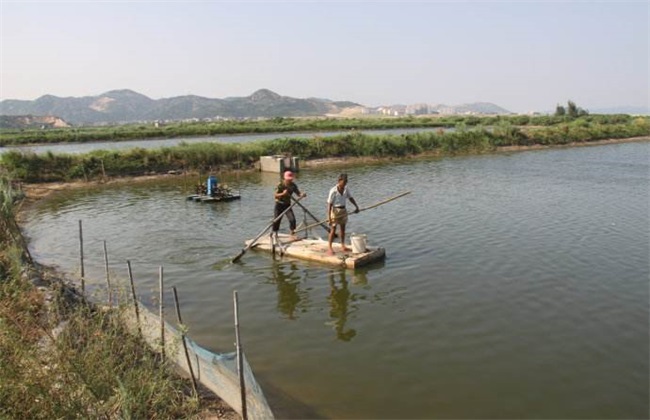
1. Environmental requirements
The farming water must always be kept clean and clear, and it cannot be left unchanged for a long time. Water must be changed regularly, and the clarity of the water should be observed in practice. If it becomes turbid, the water should be changed. It is best to farm with flowing live water, so that water changes will not be affected. When there is no oxygen in the water, the fish will gasp at the surface or breathe near the shore. Aeration equipment must be installed to increase the oxygen in the water from time to time. Food residue from daily feeding in the water must be scooped out, otherwise the water is easily polluted, bacteria are likely to breed, and diseases will occur.
2. Feeding
If only feed pellets are given, the cost is relatively high, so before stocking fry, fertilizer can be applied, using some decomposed and fermented livestock manure. This can enrich the water quality, and some small organisms will breed in the water, providing underwater feed for the fish. Sometimes the meat of snails and mussels can be fed to the fish. Generally, feeding should not exceed twice a day, and the amount fed is generally until the fish stop eating. In this way, the fish grow very quickly.
3. Summer
For fertilizing water quality in summer, biological fertilizers should mainly be used. At this time, more fertilizer can be applied. The best water color is tea-brown, but there should still be 30 cm of visible transparency; it cannot be so opaque that nothing can be seen. The requirement is roughly about 200 jin of fertilizer per mu, used according to the instructions. Ponds and some protective facilities, such as blocking nets, should be reinforced to prevent summer floods from entering and damaging the facilities. This is the fastest growth period, so feed should be increased, attention should be paid to the nutritional ratio of the feed, and more feed containing protein should be given.
4. Winter
The main thing is to control temperature. The water temperature cannot be lower than 15°C. Below 15°C, the fish stop growing and begin to hibernate, so heat preservation must be provided artificially. Generally, water can be added; when the water is deeper, the temperature at the bottom can still be maintained. It is best to farm in a greenhouse, which can create a warm environment. The water temperature increases quite a bit. At this time, attention should be paid to applying less fertilizer because decomposition is relatively slow, and more plants should be grown; algae can prevent the fish from lacking oxygen. Feeding should remain normal, which can preserve heat and maintain body weight.
Tilapia is a tropical fish. In farming management, winter is a key period. Overwintering growth is slow, and some do not grow. Some are prone to dying. The most important thing is to maintain water temperature and maintain feeding. This ensures a stable overwintering period.