How to Grow Gardenia? Detailed Guide to Cultivation Methods and Precautions
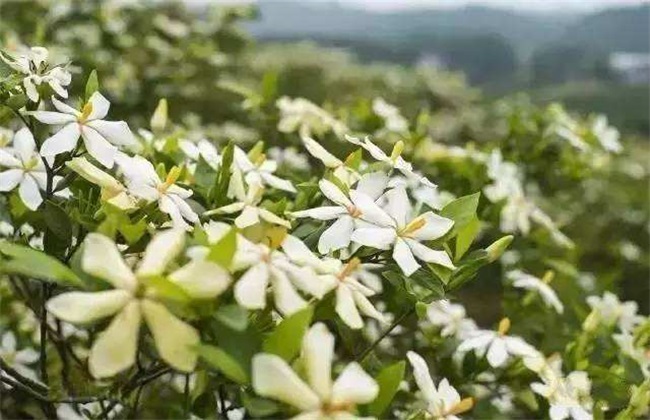
Gardenia is a very common flower in our daily life, with extremely high ornamental value and a faint fragrance. In addition, the roots, leaves and fruits of gardenia can all be used as medicine, with various effects such as clearing heat and detoxifying, cooling the blood and reducing heat. At present, the cultivation area of gardenia is relatively large, so how exactly should it be grown? Below, the editor brings you the cultivation methods and precautions for gardenia. Let's take a look!
1. Soil selection
The soil suitable for gardenia growth should be slightly acidic soil; if it is alkaline, it will reduce the survival rate of gardenia and affect cultivation benefits. So when we choose soil, the soil pH should be controlled at around 4.5-6.0. Then ensure the soil has good drainage and irrigation, sufficient fertility, and is loose and permeable. After choosing the soil, pay attention to proper land preparation, then apply base fertilizer to create a high-quality environment for gardenia growth.
2. Temperature control
When planting gardenia, we should reasonably adjust the temperature according to the growth condition of the gardenia. Generally, the most suitable temperature for gardenia growth should be around 17 degrees. Temperatures that are too high or too low will have a very large impact on gardenia growth. If too high, it will affect the gardenia's respiration, reduce the flowering rate, and affect ornamental value. If too low, it is likely to cause the gardenia to enter dormancy and cause adverse phenomena such as frost damage. So in summer and winter, cooling and warming measures must be done well.
3. Water management
Gardenia likes to grow in a warm and moist environment, so when planting, we must pay attention to maintaining good soil moisture content and air humidity. During the gardenia's growth period, the amount of watering should be appropriately increased to meet the gardenia's water needs for growth. When watering, appropriately spray water on the leaf surface, which can also increase the relative humidity in the air. After entering winter, the amount of watering should be appropriately reduced to avoid frost injury or root rot.
4. Scientific fertilization
Gardenia growth also has a relatively large demand for nutrients, so in order to promote gardenia growth, we should fertilize reasonably during the growth period. After the gardenia enters the peak growth period, about every two weeks, apply fertilizers such as soybean cake and peanut bran as a top dressing, which can both increase the flowering rate and improve ornamental value. However, note that raw fertilizer and concentrated fertilizer must not be applied, and after the gardenia becomes dormant, top dressing is also not suitable, otherwise root burning will occur. Then control the proportion of nitrogen fertilizer applied; applying too much will reduce the flowering rate.
5. Precautions
When cultivating gardenia, note that the gardenia must not be exposed to the sun for a long time, but it also must not be placed in a fully shaded environment; about 60% light should be provided. Therefore, under the high-temperature and strong-light environment of summer, the gardenia greenhouse should pay attention to doing shade work well to ensure healthy growth of the gardenia. Then pay attention to doing pruning work well. Gardenia branches and leaves are relatively luxuriant and easily cross and overlap, reducing permeability, so pruning should be done appropriately.
The above is a brief introduction to gardenia cultivation methods and precautions. The cultivation method of gardenia is relatively simple, but some basic management work must also be done well to increase the flowering rate and expand cultivation benefits. That is all for today's introduction. This article is for reference only, and I hope it can be helpful to everyone.