Detailed Guide to Growing Mimosa and Precautions
Mimosa is a rather special plant: as soon as you gently touch its leaves with your hand, the leaves curl up, looking as if it is shy, which is how it got the name "mimosa" (shy grass). It is also because of this trait that mimosa is deeply loved by people, but many people do not know how to grow it. In fact, the mimosa growing method is extremely simple. Let's take a look together below.
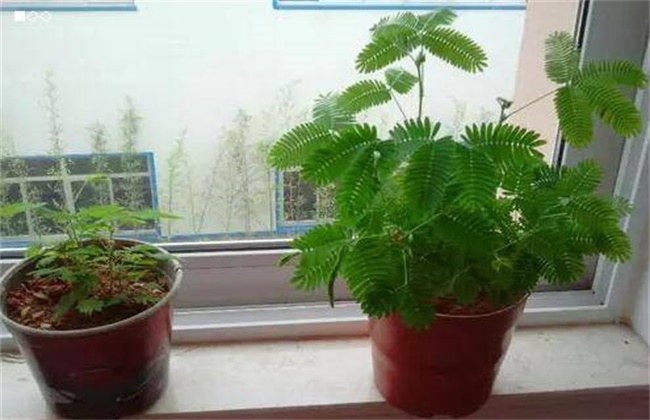
I. Growth Habits
To grow mimosa well, you must first understand its growth habits. Mimosa prefers to grow in moist, humid environments, so during cultivation you should often keep the soil containing a certain amount of moisture and not let it go without water for long periods, as this will cause its leaves to turn yellow and wilt. When watering, also follow the principle of "do not water if not dry, and water thoroughly when you do," as this can promote the growth of mimosa. Of course, if you want it to grow, fertilizing is also indispensable. In addition, if mimosa grows quickly and is not pruned in time, it will affect its appearance.
II. Growing Methods
First, choose the soil for planting. Mimosa does not have high requirements for soil; generally, garden soil and vegetable garden soil can both be used for planting. If conditions permit, you can choose a loose, fertile mixed humus soil, and of course sandy soil is also acceptable. During the growing period, mimosa needs to maintain sufficient light conditions. It likes sunlight by nature, so when growing it, it is best to place it in a spot with ample light. Full exposure to light has a certain promoting effect on its growth. If there is too little light, it may affect its growth. Mimosa is suitable for growing in a warm environment, with 20-28 degrees being appropriate. If the temperature is too low, growth will stop, and in severe cases it will suffer normal frost damage. At high temperatures, the amount of water evaporation is large, which will cause it to lose water and wilt, so attention should be paid to watering management, especially in summer. Generally, water once a day to keep the soil moist, and you can also frequently spray water mist on the plant to avoid yellowing due to lack of water.
III. Precautions
Mimosa is a tropical plant, and the temperature during the growing period should not be too low. If the temperature is too low, its growth will stop. If too much water is also given at this time, it will cause frost damage to the roots and stems of the mimosa, so once the temperature is below 10 degrees, insulation measures must be taken. Mimosa generally has few pests and diseases. The common pest is the slug. Once found, you can spread some lime powder for control; otherwise, it may cause the mimosa to die, so once found, it must be controlled promptly and not allowed to develop unchecked.
The above is an introduction to mimosa growing methods and precautions. We hope it can help you. If you want to learn more related knowledge, please stay tuned to us.