What are the reasons for the decline in laying rate of laying hens?
The laying rate of laying hens is an important standard for measuring the production level of laying hens, and the laying rate of laying hens is affected by many factors. If you want to increase the production rate, you must first find out the factors affecting the laying rate, and only by treating the root cause can you increase production. So what factors affect the laying rate of laying hens? Let's learn about them together.
1. Physiological factors
The physiological factors affecting the laying rate of laying hens are mainly due to the levels of follicle-stimulating hormone and luteinizing hormone, follicular atresia in poultry, the coordination of the oviduct and ovarian functions in poultry, the level of free radicals in the body, and the occurrence of fatty liver syndrome. From the perspective of physiological changes, increasing the laying rate can also regulate the endocrine function of poultry closely related to follicular development and maturation, ovulation, and the egg formation process, increase the secretion of reproductive hormones such as progesterone during laying, and reduce the fat content in the liver, thereby reducing the incidence of fatty liver.
2. Feed nutrition factors
Long-term lack of nutritional elements in the feed or excessively high nutritional elements, as well as changes in feed nutritional composition or feeding moldy and rotten feed, may cause a decline in laying rate. When feeding corn with too high moisture content, insufficient drinking water, lack of vitamins in the feed, and insufficient salt, all can cause a decline in the laying rate of laying hens. If feed nutrition cannot meet the needs of laying hens during laying, it is very likely to produce deformed eggs and eggs with poor shell quality, thereby affecting the quality and hatchability of breeding chickens.
3. Feeding management factors
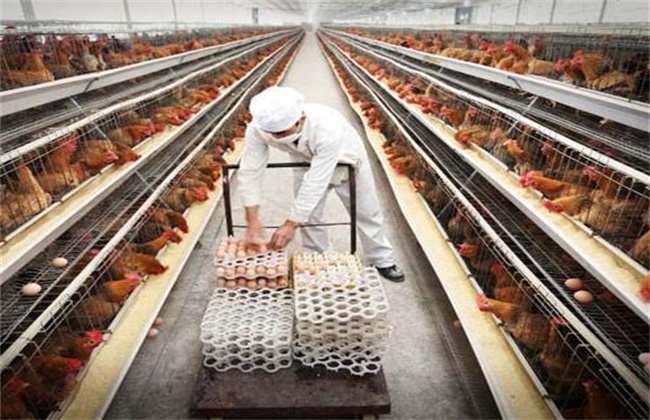
The laying performance of laying hens is affected by the living environment and management level, among which temperature, light, and stress are the main factors. Under high-temperature environments, the feed intake of laying hens weakens, unable to meet their nutritional needs, resulting in a decline in laying rate, and continuous low temperatures can also cause a decline in laying rate. Under conditions of short light duration and weak light intensity, the ovulation and laying of laying hens are less stimulated, while long light duration and high intensity can also affect the rest and continuous laying of laying hens, and can easily form feather-pecking vice. Laying hens are extremely sensitive to the environment during the laying period, and a slight mistake can cause them to be frightened, reducing egg production and increasing deformed eggs such as thin-shelled and soft-shelled eggs.
4. Disease factors
Disease is also a factor causing a decline in the laying rate of laying hens. When the disease is severe, it will not only affect the laying rate but also cause large-scale deaths. Most diseases causing a decline in laying rate are caused by viral and bacterial diseases. The main viral diseases include Newcastle disease, avian influenza, egg drop syndrome, infectious bronchitis, infectious laryngotracheitis, fowl pox, avian encephalomyelitis, etc., while bacterial diseases mainly include Salmonella, colibacillosis, Mycoplasma gallisepticum, etc. Most of these diseases are caused by failure to clean and disinfect the chicken coop in time, foul air in the coop, and poor ventilation. Environmental management should be strengthened, and corresponding vaccines should be administered at the same time.
The above is an introduction to the factors affecting the decline in the laying rate of laying hens. I hope it can help you. If you want to learn more related knowledge, please follow us.