What to Do About Feed Waste on Chicken Farms? Cause Analysis and Countermeasures
In the process of raising chickens, besides mastering chicken-raising techniques, you also need good management skills. Proper management can save costs and increase income, yet feed waste is common in the breeding process. If management is strengthened and effective measures are taken to reduce feed waste and cut expenses, the efficiency of chicken raising can be improved. So what are the causes of chicken feed waste? Let's take a look together.
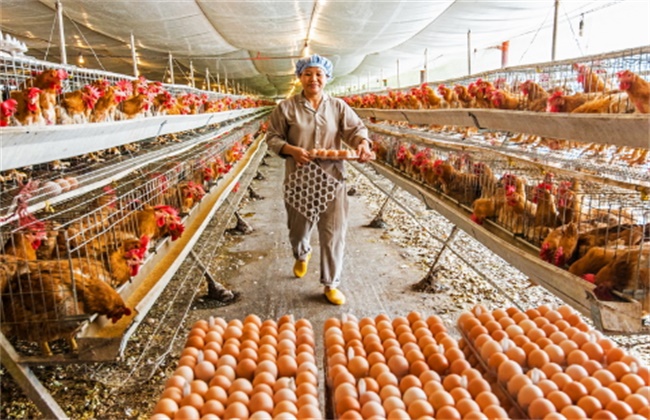
I. Causes of Feed Waste
1. Poor feed storage
Some chicken farmers, due to insufficient funds or a lack of attention to supporting facilities such as warehouses and office space, have warehouse floor areas that are out of proportion to the scale of chicken raising and the floor area of the chicken houses. The warehouses are small or crudely built, resulting in narrow, small and crude storage capacity, with a serious lack of rainproof, rat-proof, insect-proof and moisture-proof functions. According to surveys, feed waste caused by improper storage amounts to about 5%-10% of the total annual feed purchase volume.
2. Inadequate feed purchasing plans
When buying feed, because of the influence of market prices, too much is purchased at one time, causing inventory overload, and some feed gets rained on during transport, leading to mold and deterioration and causing great waste.
3. Unreasonable feed formulation
Some chicken farms do not follow scientific formulas, and the feed they mix themselves often contains nutrients exceeding the chickens' own needs, causing nutrient waste. In addition, feed that is too coarse cannot be fully digested and absorbed by the chickens after eating, causing waste.
4. Improper use of troughs
Troughs are not used reasonably according to the size of the chickens. Some farmers, to save trouble, add too much feed at one time, or do not add feed for a long time, both of which affect the chickens' feeding, growth and development, causing feed waste. This is especially true for chicks: when they first start eating, no trough is used, and newspaper is spread instead, which is easily contaminated by feces and urine, directly causing feed waste.
II. Countermeasures
1. The warehouse should correspond to the scale of the chicken farm and have rainproof, moisture-proof and rat-proof functions. When storing feed, pay attention to avoiding light, keeping it ventilated, and preventing moisture and insect damage. Also check frequently and do a good job of storage.
2. Make purchasing plans according to the scale of the chicken farm. During the rainy season, try not to bring in feed or bring in as little as possible. When feed is urgently needed, take rainproof measures during transport to prevent the feed from being rained on and becoming moldy.
3. If you mix the compound feed yourself, you must strictly follow the feeding standards when formulating it, and do not make do with crude methods, so as not to affect the growth and development of the chickens.
4. According to the age of the chickens, reasonably choose troughs with a suitable structure, and place them at an appropriate height according to the size of the chickens. Add an appropriate amount of feed; the principle for the amount added each time is that it should cause no waste or as little waste as possible.
The above is an introduction to the causes of and countermeasures for feed waste on chicken farms. We hope it can help you. To learn more related knowledge, please keep following us.