Detailed Explanation of Key Points for Bullfrog Breeding Management in Summer
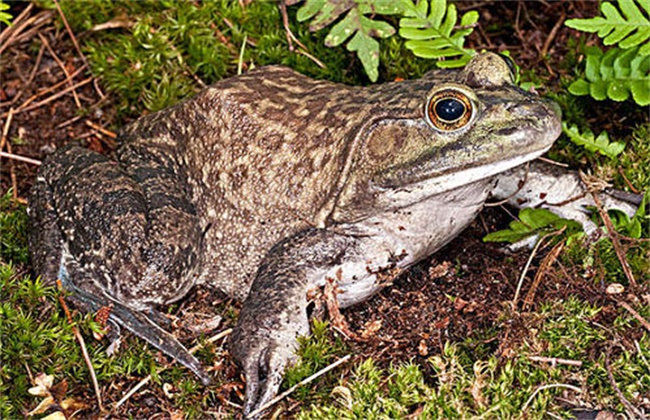
The bullfrog is a large edible frog, with tender meat, a delicious taste and rich nutrition, and it has certain medicinal value. It is farmed in every region of our country. Summer is an important period for bullfrogs; at this time the temperature is relatively high, and it is the period of fastest growth for bullfrogs, so how should they be managed? Let's find out together.
1. Increase the feeding amount
Summer temperatures are relatively high, and as the temperature rises, the food intake of bullfrogs increases, so the feeding amount should also be gradually increased, to avoid the phenomenon of the strong preying on the weak in the breeding pond, which is detrimental to the growth and development of bullfrogs and, in severe cases, can even lead to deaths from fighting over food. At this time the feeding amount should generally reach about 20% of the bullfrogs' total body weight.
2. Strengthen water quality management
Summer temperatures are relatively high, and for aquaculture water quality is the most critical area; when the temperature is high, water quality deteriorates quickly, and if water quality management is not done well, it can very easily lead to serious pests and diseases, causing weak bullfrog constitutions in mild cases, which is detrimental to growth and development, and deaths from pests and diseases in severe cases. In order to keep the water quality clear, attention should be paid to water quality management, with frequent addition and changing of water.
3. Shade and cooling
The suitable growth temperature for bullfrogs is 18-28 degrees, while summers are hot and scorching, so in summer, shading and cooling work should be done well to create a suitable growth environment for bullfrogs. You can also cultivate some aquatic plants such as water chestnut and lotus in the breeding pond, and plant some vines such as grapes and loofah along the edges of the breeding pond, to promote the rapid growth of bullfrogs.
4. Preventing escape and natural enemies
There are many rainstorm days in summer, and many bullfrogs, after being startled, will climb over barriers or dig holes to escape, so in this kind of weather special attention should be paid to doing a good job of preventing escape. Snakes, rats, cats and so on are all natural enemies of bullfrogs, and summer is also a period of frequent activity for bullfrog natural enemies, so the removal of natural enemies should be done well; a patrol system must be established and removal measures taken.
5. Disease prevention and control
Summer is also a season with a high incidence of bullfrog diseases. The feed table should be cleaned promptly every day, and spoiled and deteriorated bait should be removed promptly, with disinfection carried out once every 10-15 days. Once bullfrogs are found to be sick, prevention and control measures should be taken promptly, to avoid the spread of the disease.
The above is an introduction to bullfrog management measures in summer. We hope it can help you. To learn more related knowledge, please stay tuned to us.