Management Techniques for Free-Range Chickens: Scientific Farming Brings High Returns
Chickens are a very important type of poultry in China, and the scale of chicken farming in China is very large. There are also many farming models for chickens now, such as confined rearing, understory farming, and free-range farming. Among these, free-range chickens are relatively popular, but when free-ranging we must pay attention to doing a good job of management to be able to increase their value. So today, the editor has brought you the management techniques for free-range chickens. Let's take a look!
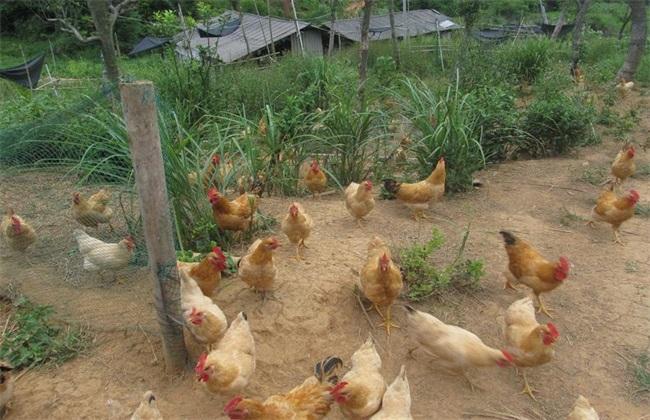
1. Woodland Layout
Free-range chickens do not have very high requirements for woodland, and ordinary forest and fruit land can support normal farming. However, plots with good aeration and high terrain are still preferable. Build chicken coops in the woodland and keep weeds to provide natural feed for the chickens, increasing their food intake. However, weeds should not be too many, to avoid the appearance of natural enemies of chickens such as rats and snakes. If the woodland area is relatively large, then we should appropriately build a few more shade sheds, and each shade shed should be equipped with water troughs and feed troughs to promote the chickens' growth. Finally, do a good job of anti-escape measures, enclosing the surroundings with nylon netting, etc.
2. Daily Management
After the chickens are taken off heat, woodland free-range rearing can begin. Every day, release the chickens into the woodland to move around and let them forage freely, then in the morning and at noon put feed and drinking water in the shade sheds. The feed should not be too much; it is enough for the chickens to eat until half full. Then, before the sun sets in the afternoon, drive the chickens back to the coop and carry out supplementary feeding to ensure the chickens are full for the night. After they finish eating, clear away the leftover feed. Finally, train the chickens to form a conditioned reflex for feeding, for example by blowing a whistle before each feeding. Over time, as soon as the chickens hear the whistle, they know it is time to eat, which helps with managing the chickens.
3. Observing the Flock
When raising free-range chickens, we must pay attention to frequently observing the growth of the flock. The daytime feeding time and the evening time when driving the chickens back are the best observation periods. During these two periods, we should observe the chickens' feeding, activity, drinking, and other aspects. Avoid abnormal situations, such as chicken plague and other infectious diseases. If any abnormality is found, then we should isolate and raise them separately, find out the cause, and then take corresponding measures, to avoid unnecessary losses.
4. Environmental Disinfection
Environmental disinfection work in free-range chicken farming is also very important. First, we should group the chickens according to their age for rearing, and adjust management methods such as rearing and feed. Then, regularly disinfect the chicken coop to reduce pathogens, and carry out vaccination work for the flock according to specific procedures to reduce the incidence of disease. Each time a batch of chickens is released, the chicken coop must be cleaned and thoroughly disinfected, and the woodland must also be swept and deeply dug. It is best to leave the site empty for a period; a single piece of woodland should support no more than about 3 batches of rearing. Then deeply plow the woodland soil, disinfect it, and leave it empty for about 6 months before rearing again, which can reduce farming risks.
The above is a brief introduction to the management techniques for free-range chickens. The management work for free-range chickens is actually similar to that for ordinary domestic chicken rearing, but the farming cost is lower, and the quality of the chickens will also be slightly better. That is all for today's introduction. This article is for reference only, and we hope it can help everyone!