What grass makes grass carp grow fast? Detailed explanation of farming feeding techniques
Grass carp is a common herbivorous fish. When farming grass carp, farmers often plant some aquatic plants in the water or feed them some forage grass, and some forage grasses are planted separately. So what grass do grass carp generally like to eat, and what grass makes grass carp grow very fast, which grasses are easy to plant and easy to survive in water. Next, these aspects will be mainly discussed.
1. Grass types
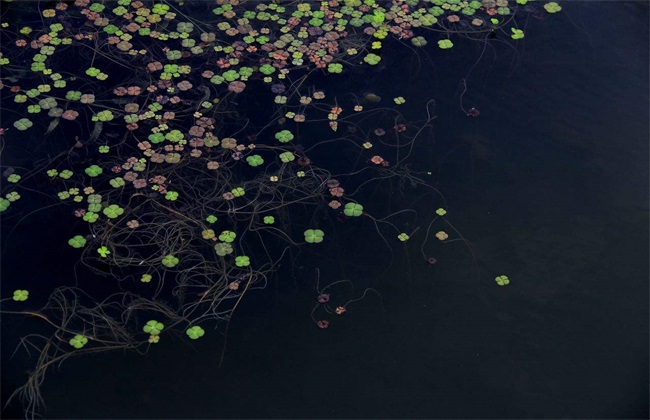
Generally, grass carp loves to eat duckweed and aquatic plants, and also likes to eat many kinds of green grass. You can choose Mexican corn, Pennisetum, Sudan grass, napier grass, alfalfa, ryegrass, and giant juncao, etc. These can be planted in open fields and then used for feeding. Among them, Sudan grass can also be planted beside ponds, but planting forage grass is the best method. Do not feed grass with net-like veins. The aquatic plants that grass carp likes to eat are sedges, small duckweed, etc.
2. How much grass is needed to gain one jin
When feeding grass carp with forage grass, roughly how much forage grass is needed for the grass carp to finally gain one jin of weight? Aquaculture experts believe that grass carp eating 15 kg of terrestrial grass can gain one jin, while grass carp eating aquatic grass needs about 70 jin to gain one jin of meat. So in fact, when there is no aquatic grass or very little aquatic grass, you can feed terrestrially planted grass.
3. Feeding forage grass
Mainly feed tender grass, or grass that itself has relatively little fiber and is easy to digest and absorb. Feed fresh grass, and do not harvest it and leave it for 3 [days] too long before feeding. It is best to feed terrestrial wild grass, but if there is none, you can plant it for feeding. When feeding grass, do not feed net-like clustered-leaf grass; feed parallel-veined grass, which is easier to digest. Also, do not feed forage grass that grass carp does not like. Forage grass must be cleaned thoroughly before feeding.
4. Feeding methods
Small fish have relatively small mouths, so the grass should be cut finely for feeding. Do not feed large, hard grass. You can scoop duckweed from rice fields, clean it, and feed it to grass carp. After the fish grow a bit larger, you can gradually feed larger aquatic plants. Do not cut them too finely; you can simply cut them a little, or feed them directly. Forage grass must be cleaned thoroughly before feeding. Do not feed grass that has been piled up or grass that is rotting. The specific feeding amount can be determined according to factors such as weather and water quality.
Therefore, grass carp grows much faster when eating terrestrial wild grass than when eating aquatic grass or planted grass, but in farming, grass carp needs to eat quite a lot of grass to gain one jin of meat. So mainly rely on aquatic grass; if there is no aquatic grass, feed terrestrial grass, so they grow faster.