Notes for Beginners on Raising Ducks and Key Points for Scientific Feeding
Duck farming has a long history in China, and raising ducks is actually very simple, but for beginners just getting into it, a lack of experience may lead to some mistakes. So what should beginners pay attention to when raising ducks? Let's take a look together.
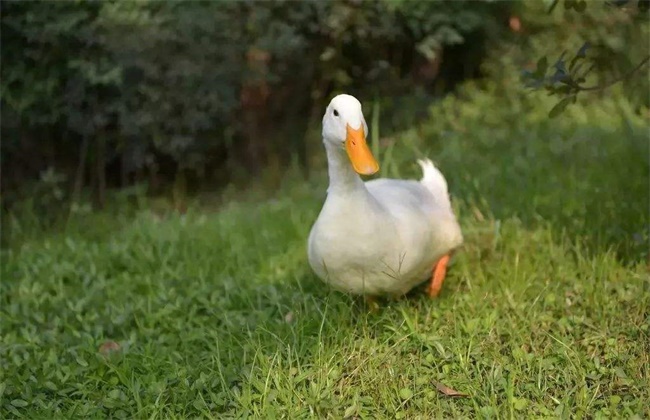
1. Selecting Ducklings
When selecting ducklings, follow the principle of four looks. First, look at whether the duckling's eyes can open normally. If there is a layer of fog over the eyes, or they look as if something is covering them, with dull, lusterless eyes, such ducklings are not up to standard and should not be purchased if possible. Second, look at whether the duckling's bill and legs are rosy and moist with a healthy sheen; if they are rather dry, such ducklings should also not be chosen. Third, look at the navel; high-quality ducklings have a clean navel. Fourth, look at the webbed feet; good ducklings have relatively moist webbed feet and stand very steadily and vigorously.
2. Brooding Room Temperature
Ducklings have weak resistance to the external environment, so they need suitable temperatures for growth. Stronger ducklings do not demand very high temperatures, with a minimum of 32 degrees, while weaker ducklings need slightly higher temperatures, around 36-37 degrees. The temperature can be adjusted reasonably according to the ducklings' condition. If they do not eat or move, check whether the temperature is too low or whether pre-warming was not done properly. The humidity in the duck house should be kept at 60%-65% by week of age, and must not fall below 55%. If you pay attention only to temperature and not to humidity, the humidity will fluctuate up and down, and the two are closely related: for every 1% decrease in humidity, the temperature will also drop accordingly.
3. Choosing a Duck-Raising Site
When scientifically choosing a duck farm, transportation cannot be ignored. First, consider epidemic prevention and isolation to ensure safe production. Small and medium-sized duck farms should be close to roads, stay away from poultry farms and slaughterhouses to prevent cross-infection of diseases, and also keep a relatively long distance from residential areas. Considering that duck farms have large volumes of product and feed transport, while also taking epidemic prevention and isolation into account, choose a plot with good nearby transportation conditions, so as to balance epidemic safety and transportation convenience.
4. Raising Ducks in Winter
Winter temperatures are lower, making it a relatively difficult period for raising ducks; a moment of carelessness can cause great losses. So if you want to raise ducks in winter, check the duck house promptly to avoid holes and drafts, and repair them as soon as they are found, so that low winter temperatures do not cause cold damage. After repairs, do not let your guard down. If conditions permit, place some warming equipment in the duck house, especially for newly hatched ducklings. In addition, the drinking water in winter is best kept warm, to prevent the ducks from catching colds and other epidemic diseases.
The above is an introduction to the notes for beginners on raising ducks. We hope it helps you. To learn more related knowledge, please stay tuned to us.