How are tilapia fry bred? A detailed explanation of breeding techniques
Tilapia, also called African crucian carp, is an important aquaculture fish. To farm tilapia you need to buy fry, but later on you still need to breed the fry yourself. After breeding, the young fry cannot go straight into the grow-out pond; the newly hatched fry must be reared to a certain size before they can be stocked. So today we will mainly explain how to rear them, how to feed them, and how to get the fry to grow well and go into the pond for farming smoothly. Let's take a look now!
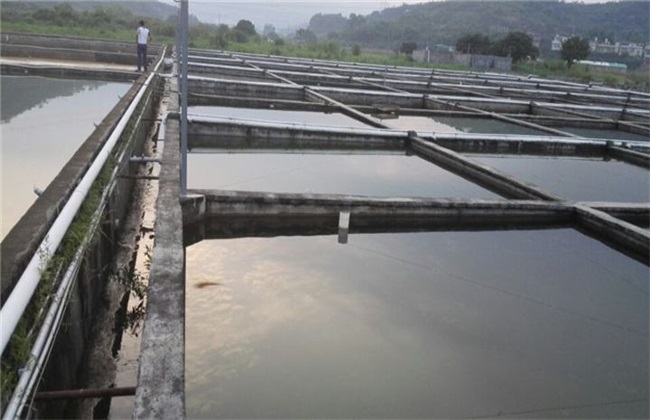
1. Preparing the rearing pond
Choose a pond of 1 to 2 mu, requiring it to be a live-water pond that is safe and does not leak. Before stocking, the pond must be cleaned thoroughly, must be hardened, and the weeds in the pond must be removed. It can also be divided into small ponds for rearing. Before rearing, splash the whole pond with quicklime solution to disinfect it. After three days, fill it with water and leave it for one week. After one week, start scrubbing it clean and fill it with water again. When filling with water for the last time, keep the water level at 60 cm, leave it, and use other fish to test that it is non-toxic before stocking for rearing.
2. Fertilizing
Before stocking, first cover the water inlet and outlet with mesh gauze, so that some small organisms and zooplankton in the water will be filtered out and will not enter the pond, and then these cannot harm the fry to be reared. But you need to fertilize to enrich the water quality, so that after the fry enter the pond there will be some natural food, which is very beneficial to fry growth. Generally, apply 800 jin of decomposed and fermented organic fertilizer per mu. Add water to dissolve it and spray it everywhere. The sign of fertile water is that the water turns green like oil.
3. Feeding
After the fry are stocked, if they surface and come to the shore to look for food, you can start feeding. Mainly feed the purchased specially formulated tilapia fry feed powder, because this feed is more suitable for the nutritional needs of the fry. Sprinkle this feed into the pond for feeding. After they grow to 3 cm, you can feed self-mixed feed. For example, corn flour, soybean flour, anyway anything suitable for tilapia to eat is fine. Each feeding amount is 1000 grams of feed for 10,000 fry, fed 2 to 3 times a day.
4. Stocking
First, note that you should stock fry of the same size and specification, not mixed sizes, as they easily cannibalize each other and fight over food; when stocking, note that the density should be reasonable, do not stock too many. The stocking amount should be such that after stocking, you can see gaps between the water, roughly 20,000 to 30,000 fry. Before putting them into the water, first take some pond water and put a few fish in to see whether they can adapt. If there is no problem, you can stock them. When stocking, be gentle, because many fry together are easily injured.
The fry rearing stage of tilapia is very important. Careless management can cause fry death. Small fry have poor resistance, so the rearing pond must be disinfected and use live-water rearing. Rearing density is a direct factor affecting fry growth, and they must have a certain space for growth and activity. Feeding should be appropriate and the feed should be fine.