What common infectious diseases do ducks get in summer?
Anyone who raises ducks knows that the thing to fear most in duck farming is disease, and infectious diseases above all. Once one duck gets sick, it can infect many others; in mild cases it means a lot of treatment costs, and in serious cases many ducks die outright. Many infectious diseases usually strike suddenly, spread fast, and have a short onset, so often there is no time to treat them before the ducks die. This is especially true in summer, when high temperatures and high humidity let some pathogens multiply rapidly and cause harm. So today I want to introduce several common infectious diseases and their prevention methods.
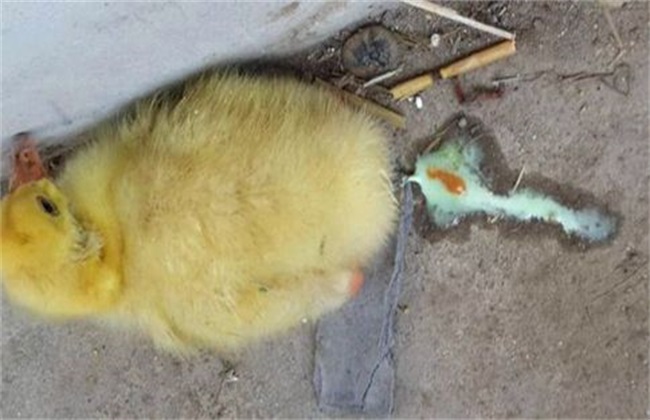
1. Duck plague
It is caused by infection with duck plague virus and mainly occurs in adult ducks. The main signs are green droppings and a swollen, enlarged head, which is why it is also called big-head disease. This is an acute febrile infectious disease. For prevention, a vaccine is used: while still ducklings, one week after hatching, inject 0.5 ml of duck plague chick-embryo-attenuated vaccine. Generally, another injection is given two months later. For later-stage treatment, hyperimmune serum is used, injecting hyperimmune yolk, then giving 2 ml orally.
2. Hepatitis
It mainly infects and harms ducklings. It is a viral hepatitis whose main feature is an extremely high mortality rate. It comes on very suddenly and is an acute infectious disease. The main symptoms are an enlarged, bleeding liver, and outwardly listlessness and refusal to eat. The main measure is to vaccinate adult ducks, breeding ducks and mother ducks with 1 ml of duck hepatitis chick-embryo-attenuated vaccine, once every half month, so as to ensure they do not lay infected eggs and do not hatch infected ducklings. Infected ducklings should be fed 2 ml of hyperimmune yolk fluid and injected with 1 ml of hyperimmune serum. A traditional Chinese medicine formula can also be decocted and fed to them.
3. Colibacillosis
After onset, the ducks eat very little and are in poor spirits, and eventually die. After death, dissection shows thickened air sacs, liver bleeding and fibrinous protein exudation. Norfloxacin can be used at 0.01% mixed into the feed, fed continuously for 3 to 5 days; this treatment works very well. But kanamycin must also be injected intramuscularly at 10 to 15 mg/kg, calculating the dose according to the duck's body weight; do not overdose, as this can easily be dangerous. Enrofloxacin or ciprofloxacin can be used at 30 mg per kg, dissolved in drinking water and given as treatment.
4. Serositis
It is caused by infection with Riemerella anatipestifer (Pasteurella anatipestifer). It is a chronic infectious disease that likewise mainly infects goslings. After infection it mainly causes inflammation such as pericarditis and arthritis. At one week of age, they can be vaccinated with aluminum hydroxide gel vaccine, 1 ml per dose, or alternatively chloramphenicol injection or oil-emulsion inactivated vaccine can be chosen. Compound avian antibacterial powder should also be added to the feed as part of treatment for a better effect.
There are quite a few infectious diseases that commonly occur in ducks in summer. Today I have mainly introduced some representative diseases. Some mainly infect ducklings, while others infect adult ducks. Some are acute and febrile, others chronic, and some mainly cause inflammation of this type. Everyone needs to take care to prevent them.