Detailed Explanation of Autumn Duck Fattening Methods and Technical Points
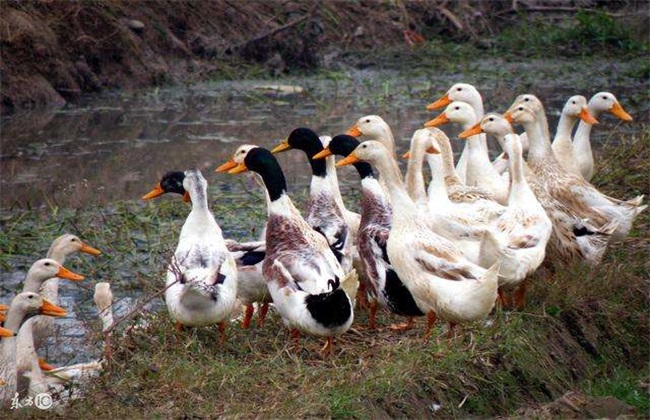
Autumn is mainly a time when the climate is relatively comfortable, neither hot nor cold, which is very suitable for duck growth. Ducks, like people, are afraid of heat and cold, so autumn is the main fattening period for raising ducks. At this time, you should seize the time to help the ducks gain weight. The key period for the year's breeding output is autumn, and at this time there are many kinds of grass outside for feeding, which can help with fattening, and free-range raising is also possible. Now let us learn about the fattening methods together.
1. Fattening time
If you directly buy ducklings in autumn, then you can start fattening after the ducklings have been raised for two months. If the ducklings were bred in summer and have already grown for more than two months by autumn, then you can directly enter autumn and begin fattening. At the start of fattening, the duck's body weight is about one jin and a half.
2. Fattening feed
First, use 50 grams of coptis chinensis and 250 grams of licorice boiled in water for feeding, mainly to prevent disease and enhance resistance. For the first three days, feed mung beans plus gypsum mixed with rice. The main purpose is to supplement protein and fat, energy, and calories, so mainly feed bran and wheat bran, together with grains, flour, cornmeal, sorghum meal, then beans, soybean cake, and other protein feeds, as well as bone meal and fish meal trace element feed additives, which can promote nutrient absorption. After feeding this way for two weeks, you can reduce bran, wheat bran, and bean feeds, and mainly feed wheat flour, rice flour, bone meal, and a small amount of salt not exceeding 0.4% as a mix.
3. Fattening methods
Bran and wheat bran are relatively coarse and should be mixed with rice or vegetable leaves and green grass for feeding; grain powder feed should be mixed with boiled water and fed loosely, and the water content should not be too little or it will easily clog; fish meal and similar items should be added to the feed in measured amounts when feeding, not too much, as too much will not be absorbed; finally, ducks should be fed salt, generally there is a fixed amount for geese, and you can add it according to the duck's body weight and the number of ducks being fed, but do not overdose.
4. Precautions
Fattening must reach a certain weight. Fattening should be done after a period of raising; small ducks cannot be fattened, mainly because they are growing their skeleton; when feeding, pay attention to adding green grass, or allow more free-range activity, as this makes fattening easier and keeps them healthy; when feeding concentrated feed, it should be matched with roughage, otherwise it is easy for them not to digest it; salt must not be fed in excess, as excess can easily cause salt poisoning. Bone meal should be fed regularly and in fixed amounts, used according to need, and not abused.
Autumn fattening of ducks is mainly because the climate is good and the ducks have good adaptability, so there will be no stress response, but when fattening, attention should be paid to the fattening time. Attention should be paid to the main feed, mainly supplementing protein and fat. The feed should be processed and matched for feeding, and some details should also be noted during feeding.