Detailed explanation of key points for four-season grazing management of mutton sheep
Raising mutton sheep is mainly for weight gain, and also for improving the quality of the mutton. Generally, the quality of mutton from grazing sheep is better than that from confined sheep. It may not be very obvious by looking, but after being sold and prepared, the taste is completely different. Therefore, many sheep farmers insist on four-season grazing. Except in extreme weather when grass is cut for feeding, most of the time the sheep are grazed. Today the main topic is the management matters and some precautions for sheep grazing. Let's take a look together.
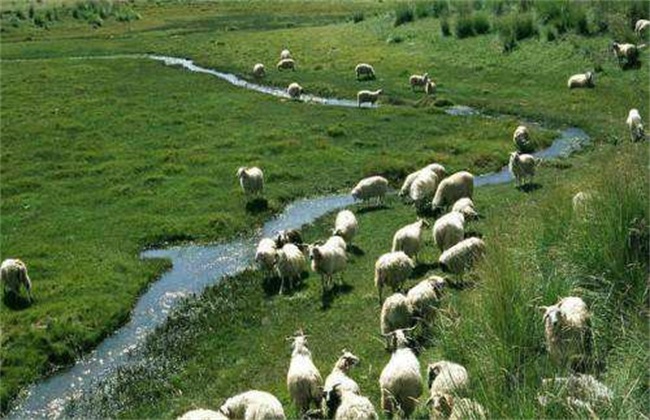
1. Spring
After a winter, during which the sheep mostly eat dry grass and some formulated feed, the flock very much wants to eat fresh grass. But in early spring, temperatures are low, and although many forage grasses and vegetables have just begun to grow, some have not yet emerged, so there is not much forage, and some is still winter dry grass. Do not let the sheep eat dry grass, as they are prone to getting sick. In late spring, the grass has all grown, so it is suitable for grazing, and they can be grazed more. However, grazing should be done on sunny days, when the forage has no moisture and is better to eat. If it is mountainous land, spring forage may be more abundant, but grazing is hard to manage and the sheep are easy to lose, so attention is needed.
2. Summer
Summer has abundant forage, so seize the time to fatten the sheep. However, pay attention to the high summer temperatures and the relatively large number of insects. When grazing, be careful that the sheep do not crowd together; drive them apart to graze openly. In addition, scatter insect-repellent powder around the grazing area to prevent insects from harming the flock. Pay attention to the sanitary conditions of the grazing area to avoid high temperatures breeding germs, and frequently clean up the sheep manure and some dried grass in the grazing area. Pay attention to building the grazing area on slightly higher, windward terrain. You can find some insect-repelling herbs and pull them up to feed the sheep, which is better for their health. Do not graze on rainy days, and in mountainous areas do not graze too high up the mountains, as walking is difficult.
3. Autumn
This is the key period for fattening. At this time the grass begins to set seed, and grass seeds contain a large amount of protein and fat, which can provide the sheep with a large amount of energy. Therefore, at this time they should be taken out to graze more, so weight gain is faster and the sheep fatten easily. This is also the main breeding season. For breeding, both rams and ewes need a large amount of nutrition and need to eat a lot of succulent forage, so they can be grazed more by streams. Late autumn becomes colder, so pay attention to grazing only on sunny days and letting them eat grass dried by the sun, which is healthier.
4. Winter
In early winter there is still some fresh forage. At this time, take advantage of it to graze more, and at the same time begin harvesting forage and drying it in preparation. The harvested forage should be from separately planted forage that has not been trampled by the flock. These reserves are used in winter to feed the sheep dry hay. Do not graze too far; being near the farm is enough. When the sunlight is good, pregnant ewes can come out to bask in the sun and eat grass. If it is lively, do not come out to graze; there is not much grass left, and they are also prone to frostbite. Occasionally when the sun comes out, just lead them out for a walk.
In farming areas with the conditions, sheep being raised should all be taken out to graze more. Grazing in grassland areas is more convenient, but the forage is not very abundant. Mountainous areas have a lot of grass and deep woods, so pay attention not to lose the sheep, or let them eat grass they cannot eat. Four-season grazing produces relatively good quality sheep.