Yellow Croaker Farming Management Methods and Technical Key Points
There are two types of yellow croaker, large yellow croaker and small yellow croaker, mainly distributed in the sea areas of China's offshore waters. They are important commercial fish. Besides being eaten fresh, they can also be processed into protamine. They are a migratory fish species. In the past, they were all wild, but now as harsh environmental conditions have caused wild fish numbers to decline, artificial breeding and farming have begun. Today we mainly want to introduce to everyone how to manage yellow croaker farming and what is special about it.
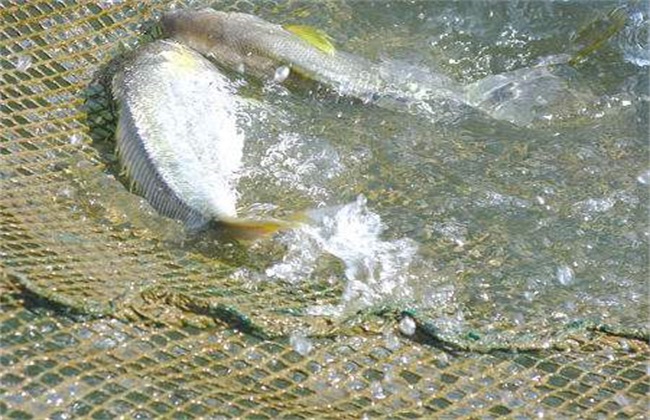
I. Feeding Management
The small fish mainly prey on small fish and shrimp in the water, and occasionally eat aquatic plants, seaweed and the like. After artificial farming, they are mainly fed other fish meat, generally choosing fish from coastal sea areas. Other feed or vitamins, or fine feed made from grain ingredients, and medicines can be added to the feed. Generally, feeding is done three times a day or less. The specific feeding amount is determined by the size of the fish.
II. Water Quality Management
Yellow croaker like to live in clean, clear water. After a period of time, fish excrement and leftover feed residue will pollute the water quality, causing the water to become turbid. Bacteria and parasites will also appear, and the oxygen content in the water will be very low. Therefore, to ensure clean water quality, the feeding amount should be appropriate, and it is best not to leave leftovers. The water should be changed frequently, preferably at regular times, but if the time has not come yet and the water is turbid, it also needs to be changed, so do it flexibly.
III. Daily Management
Pay attention to the farming water depth. For cage farming, a tide alarm should be set up. Also, the farming pond should be cleaned regularly, sprinkled with quicklime over the whole pond, and soaked for one week. After cleaning, put the fish back in for farming. During disinfection, the fish should be transferred to other ponds for farming, alternating disinfection of the farming ponds. Every day, scoop out the leftover feed residue from what the fish have eaten.
IV. Disease Management
Once disease or parasitic disease is found, isolate and treat it promptly, and disinfect the whole pond. For white gill disease, after infection the fish move slowly, stop eating, and mainly show pale, bloodless gills. It occurs most in summer. Feed less fresh material and use Chinese medicines such as isatis root and forsythia for treatment. The main parasite is Benedenia, which mainly parasitizes the body surface. After infection, the fish lose scales, become emaciated, and gradually die. Add 2% to 3% erythromycin to the feed, and soak with oxytetracycline twice, one week apart.
The above is the various management work to note in yellow croaker farming. These all directly affect the growth of yellow croaker. We hope everyone can gain something from reading the above content. For more related content, please follow us.