Detailed Explanation of Hydrangea Cutting Propagation Methods and Steps
Hydrangea is a relatively popular flower in China. It is not only cultivated in major gardens but is also a favored flower variety for many households. When cultivating hydrangeas, if it is large-scale cultivation, then the propagation work of hydrangeas is essential. The common propagation method for hydrangeas is cutting, so today I have brought you the cutting propagation methods for hydrangeas. Let's take a look together!
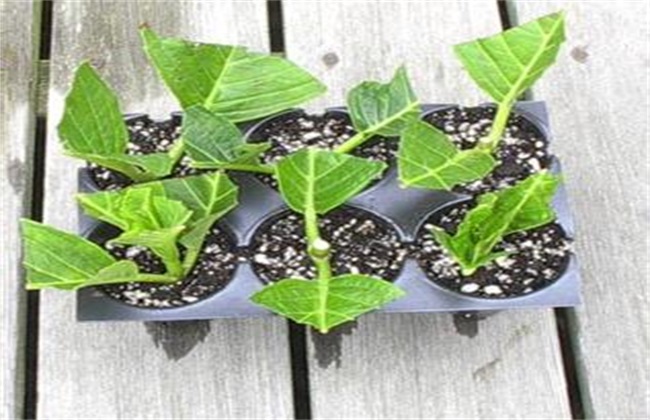
1. Branch Selection
Before propagating hydrangea by cuttings, we first need to do a good job of selecting branches. Remove the flowers from the hydrangea branches, then select branches that grew in the current year and have not yet fully lignified. Then disinfect the scissors and cut them off. Keep two leaves and one bud on the branch; do not keep more leaves. Then cut the lower part of the branch at an angle to promote growth. To avoid excessive nutrients, we can also cut off half of the retained leaves before cutting. Then place the branches in a cool place, and after the wounds air-dry, propagation can begin. Apply an appropriate amount of rooting powder to the cut end to increase the rooting rate.
2. Soil Selection
After completing the branch selection work for hydrangea, we then need to pay attention to preparing the cutting substrate. In fact, hydrangea has very strong adaptability, and hydrangea can grow normally in ordinary soil. However, because it is cutting propagation, in order to increase the rooting rate, the quality of the soil should still be appropriately improved. Use leaf mold as the main component, and appropriately add organic fertilizer, conifer needles and other materials, which not only improves the permeability of the soil but also enhances soil fertility. This is also very beneficial to the growth of hydrangea branches and can effectively increase the rooting rate of the branches.
3. Timely Cutting
As just mentioned, hydrangea has very strong adaptability, so under normal circumstances, cuttings can be taken throughout the year. However, the temperature and environment in spring and autumn are relatively good, and the survival rate of hydrangea branch cuttings is also relatively high, which can promote rooting as quickly as possible, so the cutting time is best chosen in spring and autumn. Before cutting, first water the cutting substrate thoroughly, then poke a few small holes in the substrate. Then insert the branches that have been prepared, cover and press the base with soil, then spray a little water appropriately, and control the temperature and ventilation well.
4. Precautions
After cutting, we should do a good job of management and frequently observe the growth of the hydrangea branches. If the cutting branches show signs of wilting, then pay attention to checking the soil. If it is caused by the soil being too dry, then water it in time. If the stems show blackening, it means there is too much water, and at this time drainage work needs to be done well. When the temperature is relatively high, the branches will root in about 15-20 days. If you gently pull the branch upward and can clearly feel a certain resistance, then it has already begun to root, and then it can be transplanted at the appropriate time.
The above is a brief introduction to hydrangea cutting propagation methods. Under normal circumstances, the rooting rate of hydrangea cuttings is relatively high, but after cutting, attention should be paid to doing a good job of management. That is all for today's introduction. This article is for reference only. Thank you for reading and your support.