What are the cultivation methods and precautions for Hydrangea macrophylla?
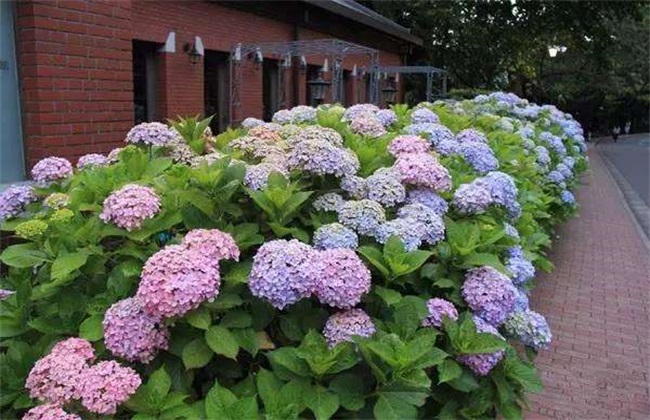
Hydrangea macrophylla, also known as the bigleaf hydrangea, is a flowering plant in the family Saxifragaceae. Hydrangea macrophylla flowers have very high ornamental value and can be seen in major gardens. Hydrangea macrophylla also has significant medicinal effects; its roots, leaves and flowers can all be used medicinally. It has the effects of treating heart heat and palpitations, and restlessness. So how should Hydrangea macrophylla be cultivated? And what precautions are there? Let's take a look below!
1. Soil selection
Before cultivating Hydrangea macrophylla, the first thing we need to do is choose the soil well. Soil is very important for the growth of Hydrangea macrophylla. Before cultivation, we should prepare a growing medium suitable for Hydrangea macrophylla using various materials such as leaf mold, garden soil and cake fertilizer. The growing medium must ensure good drainage, rich nutritional value and a slightly acidic pH, so as to ensure the normal growth of Hydrangea macrophylla and avoid being affected.
2. Reasonable fertilization
Hydrangea macrophylla has a very large demand for nutrients during growth, so we must do a good job of fertilizing during cultivation. During the growing period of Hydrangea macrophylla, fertilize about once every half a month. Control the amount of fertilizer and the nutrient ratio in the fertilizer well. An appropriate amount of substances such as ferrous sulfate can be added to the fertilizer to avoid unsuitable pH affecting growth. Then before flowering, we should also appropriately supplement Hydrangea macrophylla with substances such as superphosphate to improve its flowering rate and ornamental value.
3. Proper watering
Hydrangea macrophylla's demand for water is no less than its demand for nutrients. Therefore, we should also pay attention to proper watering. In seasons such as spring and summer, water at least once a day to keep the soil moist and prevent the soil from drying out and lacking water. After autumn arrives, we should appropriately reduce the amount and frequency of watering. Water about once every half a month to avoid frost damage to Hydrangea macrophylla caused by excessively low temperatures, and also to prevent excessive water from causing root rot in Hydrangea macrophylla.
4. Light control
When cultivating Hydrangea macrophylla, pay attention to ensuring good air permeability in the garden and provide an appropriate amount of scattered light for the growth of Hydrangea macrophylla; the temperature should not be too high. Note that the sun must not shine directly on Hydrangea macrophylla, otherwise Hydrangea macrophylla will show yellowing and withered leaves. Therefore, in summer, we should do a good job of shading, but we must also ensure an appropriate amount of light, otherwise it will affect the flower bud differentiation of Hydrangea macrophylla.
5. Precautions
During the growth of Hydrangea macrophylla, we should pay attention to doing a good job of pruning. When the branches of Hydrangea macrophylla grow to about 12 cm, pinch them appropriately by cutting off the tips of the branches to promote the growth of side branches of Hydrangea macrophylla. Then when the side branches grow to about 9 cm, pinch them again, that is, cut off the tips of the side branches. This can improve the overall ornamental value of the Hydrangea macrophylla plant.
The above is a brief introduction to the cultivation methods and precautions for Hydrangea macrophylla. The cultivation method of Hydrangea macrophylla is relatively simple, but it should not be managed extensively, otherwise it is also easy to lead to cultivation failure. That is all for today's introduction. This article is for reference only. Thank you all for reading and supporting.