Scientific Feeding Methods and Technical Key Points for Dorper Sheep
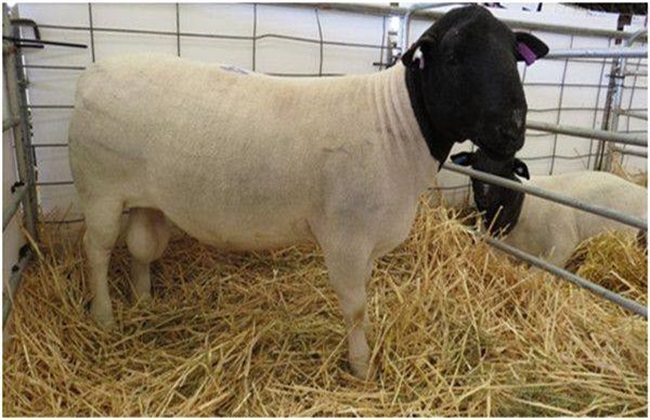
The Dorper sheep is a sheep breed developed by crossbreeding the South African Blackhead Persian ewe with the British Dorset Horn sheep, and comes in black-headed and white-headed varieties. At present, there are many farms in China that raise Dorper sheep, and the main work in raising a flock is the daily feeding. Feeding different sheep is carried out differently according to their physical characteristics and digestive and absorptive capacity at different stages. Let us learn about it together now.
1. Energy feed
Energy feed mainly supplies a large amount of energy, and mainly consists of grain crops such as corn, sorghum, and wheat, similar to staple food. Generally there is no substitute for it, and what is fed is mostly dried grain crops; fresh grain is rarely fed, such as fresh corn, which has a relatively high dry matter content and is beneficial to growth.
2. Protein feed
Feed rich in high protein is the main protein feed, mainly including soybean meal, peanut cake, and the cake left after pressing rapeseed; the residue cakes of some oil crops can all be used as feed, but cottonseed cake should not be fed. Cottonseed cake is toxic; although sheep are ruminants and can eat it, try as much as possible not to feed cottonseed cake. It is best to feed other non-toxic bean cakes, which are also much more nutritious.
3. Minerals and trace elements
The growth of sheep requires supplementation of some minerals and trace elements, mainly used for bones and some other developmental needs, so bone meal, fish meal, stone powder, and the like can be added to the feed at irregular intervals, which can supplement some calcium and phosphorus.
4. Feeding amount
Generally, feed as much as the sheep will eat. A flock generally will not overeat, but with more frequent feeding you can roughly estimate the amount an adult sheep eats per day. Generally, coarse feed is 2 jin to 3 jin per day, and fine feed is 1 jin per day. If grazing outside, there is no need to feed so much; the coarse feed can be reduced to half a jin to 1 jin, while the concentrated feed is still 1 jin.
5. Precautions
For feeding, keep adult sheep, lambs, pregnant ewes, bucks, and thin and weak sheep separate; also feed on a schedule, 3 times a day, with clear differences between morning, noon, and evening; do not feed too much at one time, and observe before supplying more after they finish; feed clean feed free of mold; a variety of feeds should be fed in combination so the nutritional composition is richer; feed can be fed after various processing methods; first feed the less palatable feed and then the more palatable feed.
The main method of feeding Dorper sheep is to distinguish the feed ingredients and feed the corresponding feed according to needs. For sheep at different growth stages, attention should be paid to feeding them separately, and feed feeding requires attention to some specific details.