When do garden flowers need their flowering period extended? A detailed explanation of flowering period regulation methods
The current basic basis for flowering period regulation is, first, through understanding the mechanisms of plant flower formation and flowering, to change or intervene in certain already understood internal causes or ecological factors related to flowering time and the opening process, mainly by regulating external factors, thereby controlling the time of flowering. It is currently known that all ecological factors affecting the growth and development of flowers will affect the flowering period. The important factors related to plant flowering are mainly the vegetative growth before flowering, nutrient supply conditions, internal water status, temperature, photoperiod and growth regulators. Different flowers have different dominant factors determining flowering. Second, through understanding the mechanisms of plant dormancy, controlling the internal and external factors affecting dormancy, delaying or breaking dormancy, and controlling the growth rhythm (thythm), to achieve flowering period control. The main external factors affecting the flowering process and dormancy are temperature, photoperiod, application of growth regulators, etc.
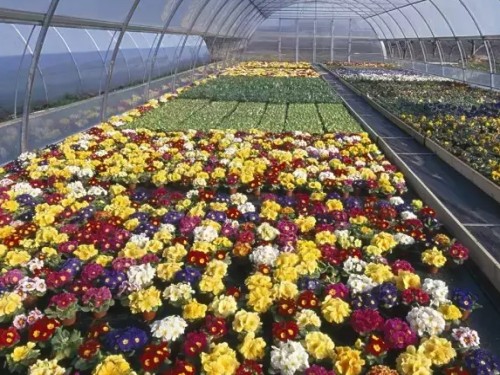
Flowering period control, also called forcing and delaying of flowering period, means adopting artificial measures to make flower cultivation bloom at fixed times outside the natural flowering period, such as making various flowers bloom evenly across the four seasons; making flowers with different flowering periods bloom concentratedly in the same period to supply holiday needs; making some that bloom once a year bloom multiple times within one year, etc., that is, "forcing a hundred flowers to bloom in a moment, gathering the four seasons into one time." When the flowering period is earlier than the natural flowering period, it is called forcing cultivation; when it is later than the natural flowering period, it is called retarding cultivation.
For certain annual flowers or, methods such as staging or can be used to make the flowering period earlier or later. Measures such as pruning and pinching can also control the flowering period. For example, frequently cutting off the faded flower branches of, can make them bloom again after the branches renew; pinching before flowering can delay flowering.
[Light regulation]
Long-day flowers in seasons with short sunshine. Supplementing light with electric lamps can make them bloom earlier; if given short-day treatment, flowering is inhibited. Short-day flowers in seasons with long sunshine, when given shading short-day treatment, can be promoted to bloom; on the contrary, if given long-day treatment for a long time, flowering is inhibited. Generally, flowers blooming in spring and summer are mostly long-day flowers, and those blooming in autumn and winter are mostly short-day flowers. In order to make some flowers that must undergo flower bud differentiation and budding and flowering under short-day environmental conditions bloom earlier, the daily light time must be shortened in advance. Light regulation should be supplemented by other measures to achieve the expected purpose. For example, the vegetative growth of the flowers must be complete, the branches should be close to the flowering length, the axillary buds and terminal buds should be plump and full, and during maintenance, the application of phosphorus and potassium fertilizers should be strengthened, and nitrogen fertilizer should be stopped to prevent excessive growth, otherwise it is unfavorable for flower bud differentiation and flower bud formation.
Long-day treatment: